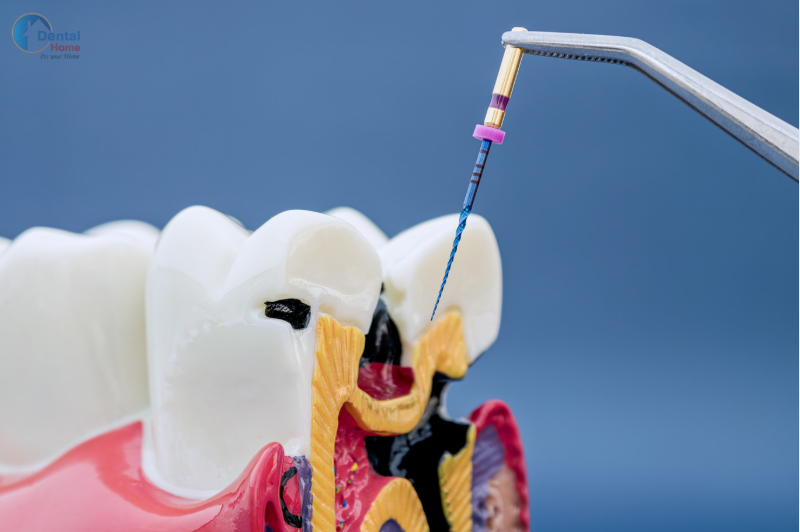
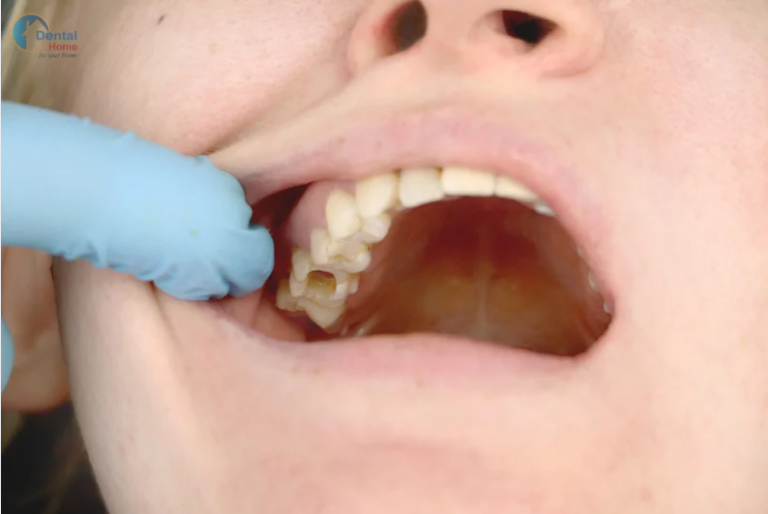
Dental cavities, also known as tooth decay, are one of the most common oral health problems. They occur when bacteria in the mouth produce acids that gradually damage the tooth enamel. If left untreated, cavities can grow deeper and affect the inner layers of the tooth, causing pain, infection, and even tooth loss. The good news is that modern dentistry offers several effective ways to remove and treat dental cavities.
Early Detection and Remineralization
In the earliest stage of tooth decay, when only the enamel is affected, cavities may sometimes be reversed without drilling. Dentists often recommend fluoride treatments, fluoride toothpaste, and improved oral hygiene habits. Fluoride helps strengthen enamel and can repair minor damage before a cavity becomes permanent. Eating a balanced diet and reducing sugary foods and drinks can also support the remineralization process.
Dental Fillings
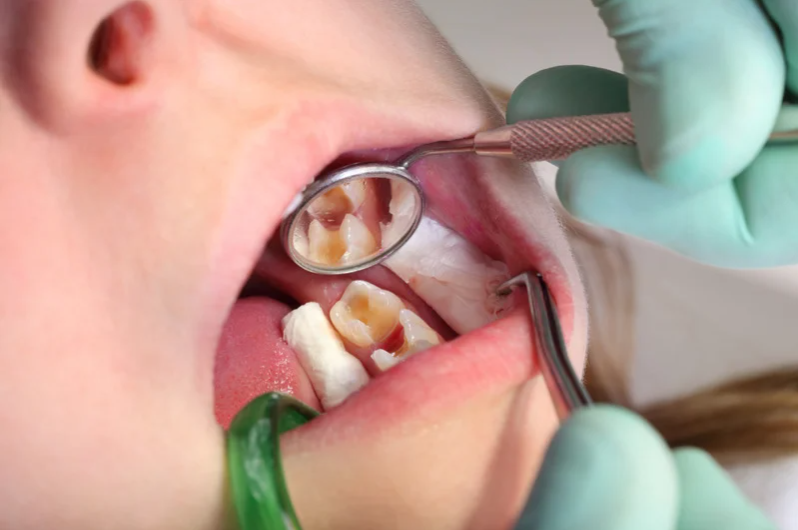
Dental fillings are the most common treatment for cavities. During the procedure, the dentist removes the decayed portion of the tooth and fills the space with a durable material. Common filling materials include composite resin, amalgam, porcelain, and glass ionomer cement. Composite fillings are popular because they match the natural color of the tooth. Fillings restore the tooth’s shape, function, and strength while preventing further decay.
Dental Inlays and Onlays
When a cavity is too large for a regular filling but not severe enough for a crown, a dentist may recommend an inlay or onlay. These custom-made restorations are usually created from porcelain or composite materials. Inlays fit inside the grooves of the tooth, while onlays cover a larger portion of the tooth surface. They provide excellent durability and preserve more natural tooth structure than crowns.
Dental Crowns
For extensive tooth decay, a dental crown may be necessary. A crown is a custom-made cap that covers the entire visible portion of the tooth. Before placing the crown, the dentist removes the decayed tissue and reshapes the tooth. Crowns can be made from porcelain, ceramic, metal, or a combination of materials. They restore strength, appearance, and chewing function while protecting the remaining tooth structure.

Root Canal Treatment
If a cavity reaches the tooth pulp, where nerves and blood vessels are located, a root canal may be required. During this procedure, the infected pulp is removed, and the inside of the tooth is cleaned, disinfected, and sealed. A crown is often placed afterward to protect the tooth. Root canal treatment can save a severely damaged tooth and eliminate pain caused by infection.
Tooth Extraction
In cases where decay is extremely advanced and the tooth cannot be saved, extraction may be the only option. After removing the tooth, the dentist may recommend a dental implant, bridge, or denture to replace the missing tooth and restore oral function.
Preventing Future Cavities
The best way to deal with cavities is prevention. Brush your teeth twice daily with fluoride toothpaste, floss every day, limit sugary snacks and drinks, and visit your dentist regularly for checkups and cleanings. Professional examinations can identify cavities early, making treatment simpler and less costly.
Conclusion
Dental cavities can be treated effectively through fluoride therapy, fillings, inlays, onlays, crowns, root canal treatment, or tooth extraction, depending on the severity of the decay. Seeking dental care as soon as a cavity is detected helps preserve natural teeth and maintain a healthy smile for years to come.