
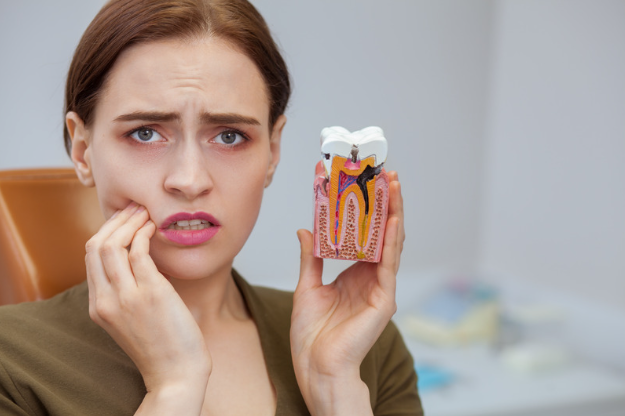
A dental emergency is a sudden or severe problem involving the teeth, gums, mouth, or jaw that requires prompt attention from a dentist. Some dental problems can cause significant pain, bleeding, swelling, infection, or damage to oral tissues. Getting timely dental care can relieve symptoms, prevent complications, and improve the chances of saving a damaged tooth.
Not every dental problem requires immediate treatment. A mild toothache, occasional sensitivity, or a small cavity may usually be managed by arranging a routine dental appointment. However, severe pain, uncontrolled bleeding, facial swelling, a knocked-out permanent tooth, or a serious injury may require urgent or emergency dental care.
Common Types of Dental Emergencies
Several conditions can be considered dental emergencies. One of the most common is severe toothache. A sudden or intense toothache may be caused by deep tooth decay, inflammation of the dental pulp, an abscess, or trauma. Pain that is severe, persistent, or accompanied by swelling should be evaluated by a dentist as soon as possible.
A knocked-out permanent tooth is another important dental emergency. A tooth that has been completely displaced because of an accident or injury may sometimes be saved if professional care is obtained quickly. The tooth should be handled carefully by the crown rather than the root, and urgent dental advice should be sought.
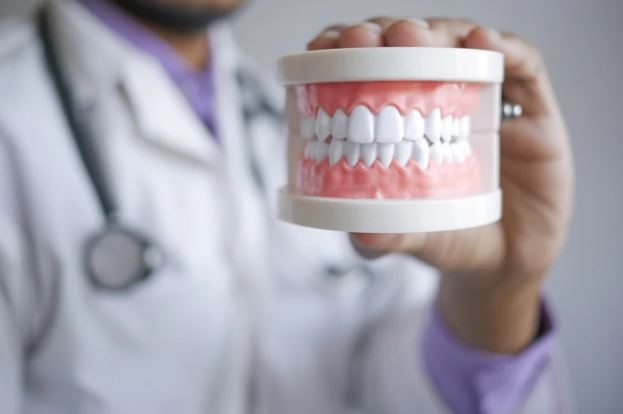
A broken, cracked, or severely damaged tooth may also require immediate attention. Trauma, biting hard objects, or untreated decay can cause a tooth to fracture. Depending on the severity of the damage, a dentist may repair the tooth with a filling, bonding, crown, or another appropriate treatment.
Dental abscesses are infections that can develop around the root of a tooth or in the surrounding gum tissue. They may cause pain, swelling, tenderness, fever, or an unpleasant taste in the mouth. An untreated dental infection can spread to nearby tissues and may become serious. Prompt dental evaluation is therefore important.
Signs That You May Need Emergency Dental Care
Recognizing warning signs can help you decide when to seek urgent treatment. Important symptoms include:
- Severe or rapidly worsening tooth pain
- Significant swelling of the face, jaw, or gums
- Persistent bleeding from the mouth
- A knocked-out permanent tooth
- A tooth that has been badly broken or displaced
- Serious injury to the mouth, teeth, or jaw
- Signs of infection, such as swelling accompanied by fever
- Difficulty opening the mouth because of swelling or pain
- Difficulty breathing or swallowing associated with oral or facial swelling
Difficulty breathing or swallowing with significant facial or mouth swelling can indicate a potentially serious infection or other emergency. In such circumstances, emergency medical care may be needed rather than waiting for a routine dental appointment.
What Causes Dental Emergencies?
Dental emergencies can happen for many reasons. Accidents and sports injuries can fracture or displace teeth. Untreated tooth decay can progress into deeper infection, causing severe pain or an abscess. Gum disease can also contribute to swelling, bleeding, and damage to the supporting tissues.
Other causes include biting extremely hard foods or objects, dental restorations becoming damaged, and complications following dental procedures. People with weakened teeth due to decay, large fillings, or previous dental treatment may be more vulnerable to fractures.
Maintaining good oral hygiene and attending regular dental checkups can reduce the risk of some dental emergencies. Dentists can identify cavities, gum disease, cracks, and other problems before they become more serious.
What Should You Do During a Dental Emergency?
The first step is to remain calm and contact a dentist or emergency dental service for advice. Explain what happened, when it happened, and what symptoms are present. If there has been an injury, follow the dentist’s instructions while arranging professional care.
For a knocked-out permanent tooth, seek dental care immediately because treatment can be time-sensitive. Avoid unnecessary handling of the root. If a tooth is broken, keep any fragments if possible and take them to the dentist.
For bleeding, gentle pressure with clean gauze or a clean cloth may help control it while professional care is arranged. If swelling is present, a cold compress applied externally may provide temporary relief.
Do not place aspirin directly on a tooth or gum, as this can irritate or damage oral tissues. Avoid attempting to repair, reposition, or remove a tooth yourself.
How Can Dental Emergencies Be Prevented?
Although not every emergency can be prevented, several habits can reduce the risk. Brush twice daily with fluoride toothpaste, clean between the teeth regularly, and limit frequent consumption of sugary foods and drinks. Regular dental examinations can help identify problems early.
People who participate in contact sports should consider using an appropriately fitted mouthguard. Avoid chewing ice, hard objects, or other items that can fracture teeth. Treating cavities, damaged fillings, and gum problems promptly can also reduce the likelihood of more serious complications.
Conclusion
A dental emergency is a sudden oral problem that requires prompt professional attention because delaying treatment may lead to worsening pain, infection, tooth loss, or other complications. Severe pain, significant swelling, uncontrolled bleeding, dental trauma, knocked-out permanent teeth, and signs of serious infection are among the situations that warrant urgent evaluation.
Knowing the warning signs and acting quickly can make a significant difference. When in doubt about whether a dental problem is an emergency, contacting a dentist for professional advice is the safest approach.