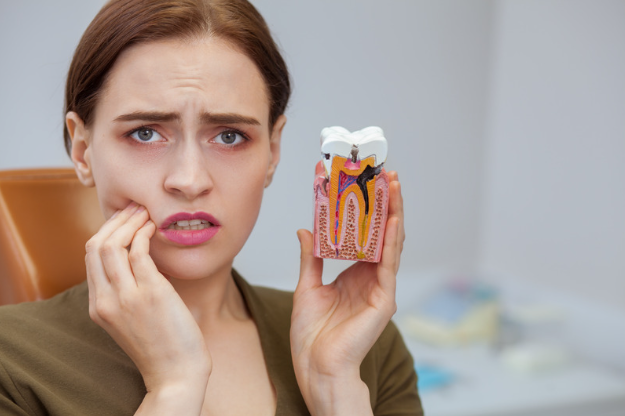

A toothache can be uncomfortable and distracting, making it difficult to eat, sleep, study, or carry out normal activities. Tooth pain can have many causes, including tooth decay, gum problems, a cracked tooth, dental infection, or sensitivity. While some simple measures may provide temporary relief, treating the underlying cause is important because toothache often does not disappear permanently without proper dental care.
Rinse Your Mouth With Warm Salt Water
One of the simplest ways to temporarily soothe a toothache is to rinse the mouth with warm salt water. Salt water can help clean the mouth and remove food particles that may be irritating the painful area. It may also help reduce inflammation around the gums.
Mix a small amount of salt into a glass of warm water, gently rinse your mouth, and spit it out. Avoid swallowing the solution. This can be repeated several times a day if it feels helpful.
Keep the Area Clean
Food particles and plaque can sometimes make tooth pain worse, particularly when something is trapped between the teeth. Continue brushing gently with a soft-bristled toothbrush and clean between the teeth carefully with dental floss or another appropriate interdental cleaner.
Avoid aggressive brushing around a painful tooth because excessive pressure can irritate sensitive gums and tissues.
Use a Cold Compress
If a toothache is accompanied by swelling or discomfort around the face, a cold compress may provide temporary relief. Place a cold pack wrapped in a cloth against the outside of the cheek for short periods.

Do not place ice directly against the skin or hold it against the area continuously. A cold compress can reduce discomfort temporarily but does not treat the cause of the toothache.
Consider Appropriate Pain Relief
Over-the-counter pain relievers can sometimes help manage dental pain temporarily. Medicines such as acetaminophen or ibuprofen may be appropriate for some people, but they are not suitable for everyone.
Always follow the product label and use medicines only as directed. Children and teenagers should use medicines according to age-appropriate directions and, when needed, with guidance from a parent, guardian, pharmacist, or healthcare professional. Do not place aspirin directly on a tooth or gum because it can irritate or damage oral tissues.
Avoid Foods That Trigger Pain
When you have a toothache, certain foods and drinks may increase discomfort. Very hot, very cold, sugary, acidic, or hard foods can aggravate sensitive teeth.
Choose softer foods and chew on the opposite side of the mouth when possible. Drinking water and maintaining normal oral hygiene can also help keep the mouth clean.
Do Not Ignore Persistent Tooth Pain
Temporary relief does not mean that the tooth has healed. A cavity, damaged filling, cracked tooth, gum disease, or infection may require professional treatment. A dentist can examine the tooth, identify the cause, and recommend appropriate treatment.
Depending on the problem, treatment may include a filling, cleaning, treatment for gum disease, repair of a damaged tooth, root canal treatment, or removal of a tooth when it cannot be saved.
When to See a Dentist
You should arrange a dental appointment if a toothache lasts for more than a day or two, repeatedly returns, or interferes with eating or sleeping. Dental assessment is particularly important when pain is associated with swelling, fever, a bad taste in the mouth, pain when biting, or increased sensitivity.
Seek urgent medical or dental attention if significant swelling develops around the face, jaw, eye, or neck, or if swelling makes it difficult to breathe or swallow. These symptoms can indicate a potentially serious infection.
Preventing Future Toothaches
Good oral hygiene is one of the best ways to reduce the risk of future tooth pain. Brush twice daily with fluoride toothpaste and clean between your teeth regularly. Limit frequent consumption of sugary foods and drinks, and attend routine dental examinations so problems can be detected early.
A toothache is a warning sign rather than a condition that should simply be masked with pain relief. Home measures may make the discomfort more manageable for a short time, but professional dental care is often necessary to address the underlying problem. If you are experiencing persistent or severe tooth pain, contacting a dentist is the safest way to determine the cause and receive appropriate treatment.