Regular Dental Checkups: Why They Matter for Your Oral Health
Regular dental checkups are an important part of maintaining healthy teeth, gums, and overall oral hygiene. Even when your teeth feel fine and there is no obvious pain, dental problems can develop quietly and may become more difficult to treat when ignored. Visiting a dentist regularly allows potential problems to be identified early and helps keep your mouth healthy over the long term.
What Is a Regular Dental Checkup?
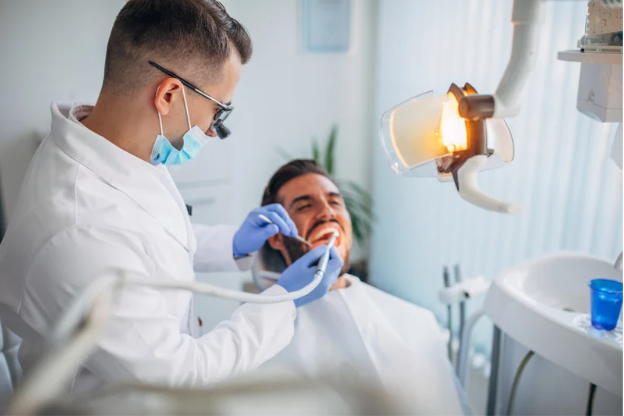
A regular dental checkup is a routine appointment with a dentist to assess the condition of your teeth, gums, and other parts of the mouth. During the visit, the dentist may examine your teeth for cavities, inspect the gums for signs of inflammation or disease, and check for other oral health concerns.
Depending on your individual needs, the dentist may also recommend professional cleaning or dental X-rays. These services can help identify problems that may not be visible during a simple visual examination.
Why Are Regular Dental Checkups Important?
One of the main benefits of routine dental visits is early detection. Conditions such as tooth decay and gum disease can begin with few or no noticeable symptoms. By the time pain or swelling develops, the problem may already require more extensive treatment.
Routine examinations give dentists an opportunity to detect concerns at an earlier stage. Early treatment is often simpler and can help prevent a minor dental problem from becoming more serious.

Regular appointments can also help maintain good oral hygiene. Professional cleaning removes plaque and tartar that cannot always be eliminated effectively through regular brushing and flossing alone. Keeping these deposits under control can reduce the risk of cavities and gum problems.
What Happens During a Dental Checkup?
A routine dental appointment may include several steps. First, the dentist usually examines the teeth and gums. They may look for cavities, damaged teeth, gum inflammation, plaque buildup, and other abnormalities.
The dentist may also ask about symptoms such as tooth sensitivity, bleeding gums, discomfort while chewing, or changes in the mouth. Sharing these symptoms accurately can help the dentist determine whether further examination is needed.
Professional dental cleaning may be performed to remove plaque and tartar. In some situations, dental X-rays may be recommended to examine areas that cannot be seen directly, such as the spaces between teeth or areas below the gumline.
The dentist may also provide personalized advice about brushing, flossing, diet, and other habits that can support oral health.
How Often Should You Visit the Dentist?
There is no single schedule that is appropriate for everyone. Some people may benefit from routine dental visits every six months, while others may need appointments more or less frequently depending on their oral health and risk factors.
People with a history of cavities, gum disease, dental restorations, orthodontic treatment, or other oral health concerns may require more frequent monitoring. Your dentist can recommend an appropriate schedule based on your individual needs.
Dental Checkups Can Help Prevent Tooth Decay
Tooth decay develops when acids produced by bacteria damage the tooth surface. Without appropriate attention, decay can progress deeper into the tooth and potentially cause pain or infection.
Regular dental examinations allow dentists to look for early signs of decay. They can also recommend preventive measures, such as improved brushing techniques, fluoride treatments when appropriate, and dietary changes that may reduce the risk of future cavities.
Protecting Your Gums
Healthy gums are essential for maintaining a healthy mouth. Plaque buildup along the gumline can contribute to gum inflammation. If gum problems are not addressed, they can become more serious over time.
During a dental checkup, the dentist can evaluate the gums for signs of inflammation, bleeding, recession, or other concerns. Professional cleaning and appropriate home-care practices can help control plaque and support healthier gums.
Dental Checkups Are More Than Treating Pain
Many people visit a dentist only when they experience a toothache. However, waiting for pain is not an ideal approach because some dental conditions can develop without obvious symptoms.
Preventive dental care focuses on maintaining oral health before significant problems occur. Regular checkups can help identify concerns early, provide professional cleaning, and give you practical guidance for maintaining your teeth and gums at home.
Maintaining Good Oral Hygiene Between Visits
Regular dental appointments work best when combined with good daily habits. Brush your teeth twice a day with fluoride toothpaste and clean between your teeth regularly using floss or another appropriate interdental cleaning method.
Limiting frequent consumption of sugary foods and drinks can also help reduce the risk of tooth decay. Avoid using tobacco products, and follow any specific recommendations provided by your dentist.
When Should You See a Dentist Sooner?
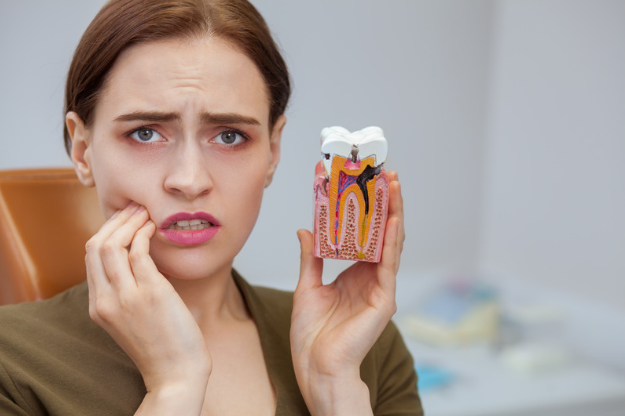
Routine checkups are important, but you should not necessarily wait for your next scheduled appointment if you develop a dental problem. Tooth pain, persistent sensitivity, swollen or bleeding gums, a broken tooth, or other unusual changes in your mouth may require earlier evaluation.
Prompt dental assessment can help determine the cause of the problem and whether treatment is necessary.
Conclusion
Regular dental checkups are an essential part of preventive oral care. They allow dentists to monitor the condition of your teeth and gums, identify potential problems early, provide professional cleaning, and recommend appropriate home-care practices. Maintaining regular appointments, together with daily brushing, interdental cleaning, and healthy habits, can help protect your smile and support good oral health for years to come.