

A chipped tooth is a common dental problem that can happen because of an accident, biting hard foods, teeth grinding, tooth decay, or normal wear and tear. Although a small chip may seem like a minor cosmetic concern, it can sometimes affect the health and function of the tooth. Repairing a chipped tooth promptly can protect it from further damage, reduce sensitivity, restore normal function, and improve the appearance of the smile.
What Is a Chipped Tooth?
A chipped tooth occurs when a small portion of the tooth breaks away. The chip may involve only the outer enamel or may extend deeper into the tooth. The severity depends on how much tooth structure has been lost and whether the inner layers containing nerves and blood vessels are affected.
Some minor chips cause no pain, while larger chips may lead to sensitivity to hot, cold, sweet, or acidic foods. A dentist can examine the tooth and determine whether treatment is necessary.
Prevents Further Tooth Damage
One of the main reasons to repair a chipped tooth is to prevent additional damage. A chipped area may leave the tooth weaker than it was before. Pressure from chewing can cause the damaged area to enlarge or lead to another piece of the tooth breaking away.
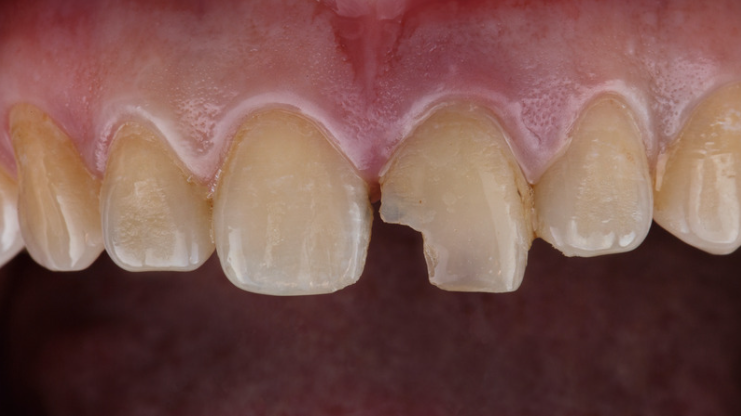
If the chip is repaired, the dentist can restore the tooth’s shape and provide additional protection. Early treatment can therefore help preserve as much natural tooth structure as possible.
Protects the Inner Tooth
Tooth enamel protects the deeper layers of a tooth. Beneath the enamel is dentin, which can be more sensitive. If a chip extends through the enamel and exposes dentin, the tooth may become sensitive.
A deeper fracture can potentially reach the pulp, which contains nerves and blood vessels. When the pulp becomes irritated or infected, more extensive dental treatment may be required. Repairing a chipped tooth before the damage becomes more serious can help protect these deeper structures.
Reduces Tooth Sensitivity
A chipped tooth can sometimes cause sudden sensitivity, especially when the damaged area exposes dentin. Eating or drinking something very hot or cold may produce discomfort.
Dental treatment can cover and protect the exposed area. Depending on the size and location of the chip, a dentist may recommend bonding, a filling, a veneer, or another restorative treatment. The appropriate option depends on the condition of the tooth.
Restores Normal Chewing
Teeth are designed to work together when biting and chewing. A significant chip can change the shape of a tooth and make chewing less comfortable or effective. In some cases, a sharp or uneven edge can also interfere with how the upper and lower teeth meet.
Repairing the tooth helps restore its normal shape and function. This can make everyday activities such as eating more comfortable.
Improves the Appearance of the Smile
A chipped front tooth can be particularly noticeable when talking, smiling, or laughing. Even when the tooth is not painful, its appearance may affect a person’s confidence.
Cosmetic dental treatments can often restore the appearance of a chipped tooth. Tooth-colored bonding, for example, may be suitable for certain small chips. Other situations may require a veneer or crown. A dentist can recommend the most appropriate option after examining the tooth.
Prevents Sharp Edges From Causing Problems
A chipped tooth can leave behind a rough or sharp edge. This edge may irritate the tongue, lips, or inside of the cheek. Constant contact with a rough tooth can be uncomfortable.
A dentist can smooth a very minor chip or repair the missing tooth structure when necessary. This can make the tooth more comfortable and reduce irritation.
Helps Maintain Proper Oral Health
A damaged tooth can sometimes be more difficult to clean effectively, particularly when the chip creates an irregular surface or area where food can become trapped. Maintaining good oral hygiene around a damaged tooth is important.
Repairing the tooth and continuing regular brushing and flossing can make it easier to maintain a clean, healthy mouth. Regular dental examinations are also useful for identifying problems before they become more complicated.
What Treatments Are Available?
Treatment depends on the size, location, and depth of the chip. For a very small chip, a dentist may simply smooth the edge. Dental bonding can sometimes rebuild a small amount of missing tooth structure. Larger damage may require a filling, veneer, or crown.
If the tooth has suffered a deep fracture involving the pulp, additional treatment may be necessary. A dentist must evaluate the tooth before deciding which procedure is appropriate.
When Should You See a Dentist?
It is advisable to arrange a dental examination after chipping a tooth, particularly if there is pain, sensitivity, swelling, bleeding, a large fracture, or difficulty biting. A dental professional can determine whether the tooth has sustained more serious damage.
Until it is evaluated, avoid biting hard foods with the affected tooth and maintain gentle oral hygiene. If a large portion of the tooth has broken away, seek dental care promptly.
Conclusion
Repairing a chipped tooth is important not only for improving the appearance of a smile but also for protecting the tooth’s structure and function. Prompt dental evaluation can help prevent further damage, reduce sensitivity, protect deeper tooth tissues, and restore comfortable chewing. The earlier a chipped tooth is assessed, the easier it may be to determine an appropriate treatment and preserve the natural tooth.