
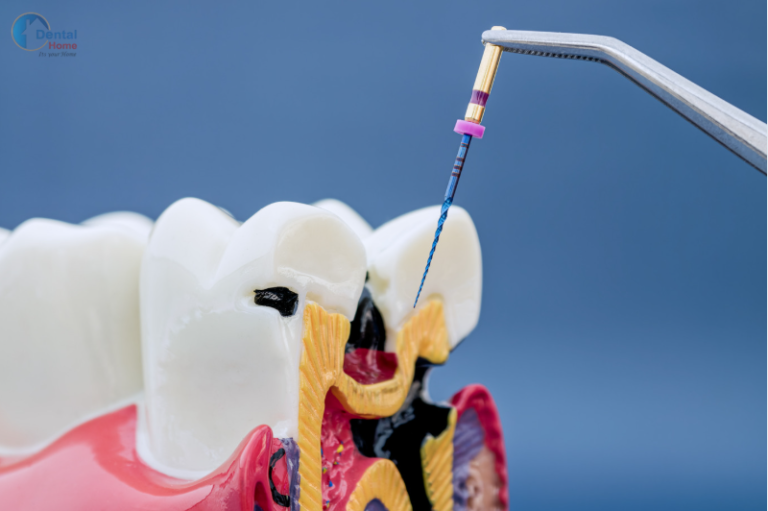
A root canal is a common dental procedure used to save a tooth when the soft tissue inside the tooth, known as the pulp, becomes infected, inflamed, or severely damaged. Many people associate root canals with pain, but modern dental techniques make the procedure comfortable and highly effective. Understanding when a root canal is needed can help prevent tooth loss and protect your overall oral health.
What Is a Root Canal?
A root canal treatment is a procedure that removes infected or damaged pulp from inside a tooth. The pulp contains nerves, blood vessels, and connective tissues that help the tooth develop. Once a tooth is fully grown, it can survive without the pulp because surrounding tissues continue to nourish it.
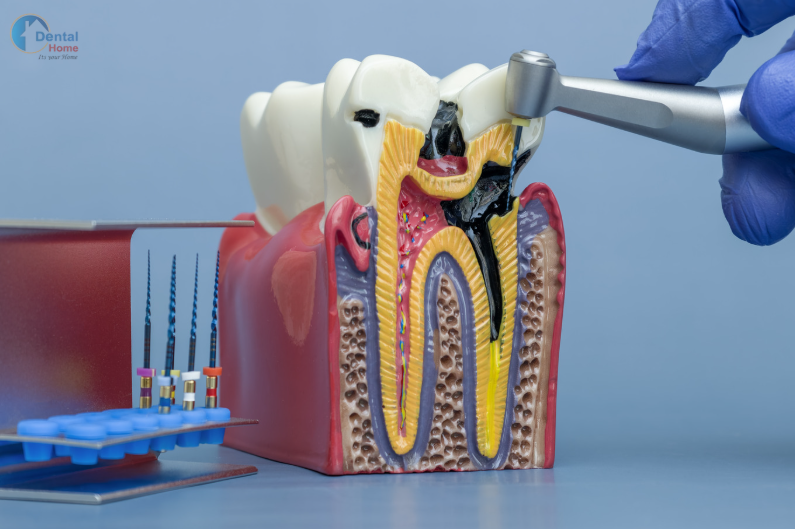
During the procedure, the dentist cleans and disinfects the root canals, fills the space with a special material, and seals the tooth to prevent future infection.
Common Signs That a Root Canal May Be Needed
Several symptoms may indicate that the pulp inside a tooth has become infected or damaged. These signs should never be ignored.
Persistent Tooth Pain
Ongoing tooth pain is one of the most common reasons for needing a root canal. The pain may occur while eating, drinking, or even when no pressure is applied to the tooth. It can range from mild discomfort to severe throbbing pain.
Sensitivity to Hot and Cold
If your tooth remains sensitive for a long time after consuming hot coffee, tea, ice cream, or cold drinks, the nerve inside the tooth may be damaged. Lingering sensitivity often signals pulp inflammation or infection.
Swollen or Tender Gums
Swelling around a tooth can be a sign of infection. The gums may feel tender, appear red, or develop a small bump that releases pus. This condition requires prompt dental attention.
Tooth Discoloration
A tooth that becomes gray, brown, or dark yellow may indicate damage to the pulp. Internal tissue breakdown can affect the tooth’s appearance and may require root canal treatment.
Deep Decay or Tooth Injury
Severe cavities that extend deep into the tooth can allow bacteria to reach the pulp. Likewise, a cracked, chipped, or injured tooth may expose the pulp to infection. In these situations, a root canal may be the best option to save the tooth.
Conditions That Often Require Root Canal Treatment
Root canal therapy is commonly recommended for:
- Deep dental decay reaching the pulp
- Cracked or fractured teeth
- Repeated dental procedures on the same tooth
- Severe tooth trauma
- Dental abscesses and infections
- Advanced pulp inflammation
Without treatment, the infection can spread to surrounding tissues and may lead to tooth loss.
Benefits of Getting a Root Canal
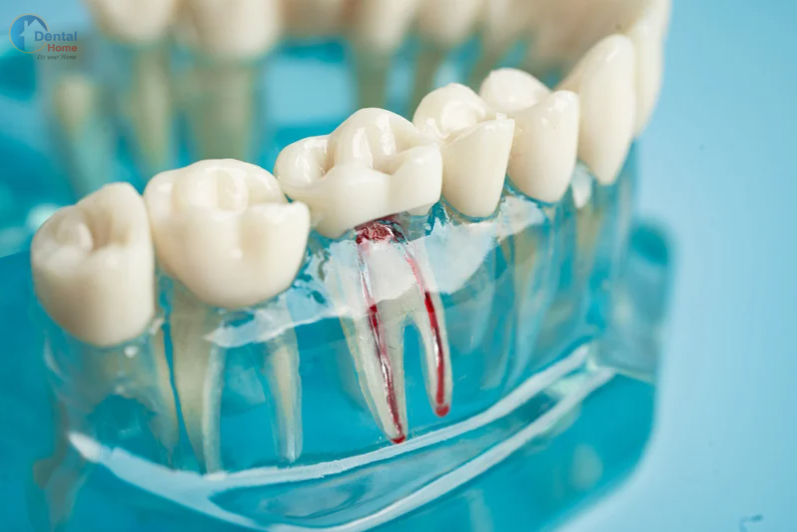
A root canal offers several important benefits:
- Saves the natural tooth
- Eliminates infection and pain
- Restores normal chewing function
- Prevents the spread of bacteria
- Maintains proper tooth alignment
- Improves long-term oral health
Modern root canal procedures are highly successful and can help a treated tooth last for many years.
Conclusion
A root canal is needed when the pulp inside a tooth becomes infected, inflamed, or damaged. Symptoms such as persistent pain, prolonged sensitivity, swelling, discoloration, or deep decay often indicate the need for treatment. Seeking dental care early can prevent complications and help preserve your natural smile. If you experience any of these warning signs, consult a dentist as soon as possible for a proper evaluation and treatment plan.