
As people age, they often experience a variety of oral health challenges that can increase the risk of dental emergencies. Elderly individuals may have weakened teeth, existing dental restorations, chronic medical conditions, reduced saliva production, and medications that affect oral health. Dental emergencies in older adults require prompt attention because they can lead to severe pain, infection, difficulty eating, and a decline in overall health. Understanding the common dental emergencies affecting seniors can help caregivers, family members, and patients seek timely treatment.

Why Dental Emergencies Are More Common in the Elderly
Aging naturally affects the teeth, gums, and oral tissues. Many older adults have a history of dental work such as fillings, crowns, bridges, or dentures, which may become damaged over time. Additionally, conditions like diabetes, osteoporosis, and cardiovascular disease can influence oral health and increase susceptibility to dental problems. Delayed treatment can worsen complications and negatively impact quality of life.
Severe Toothache
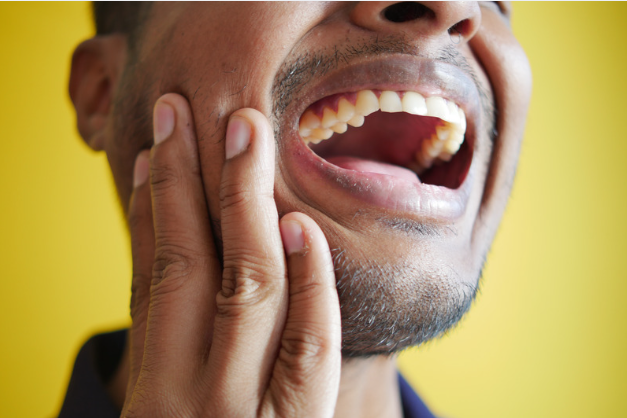
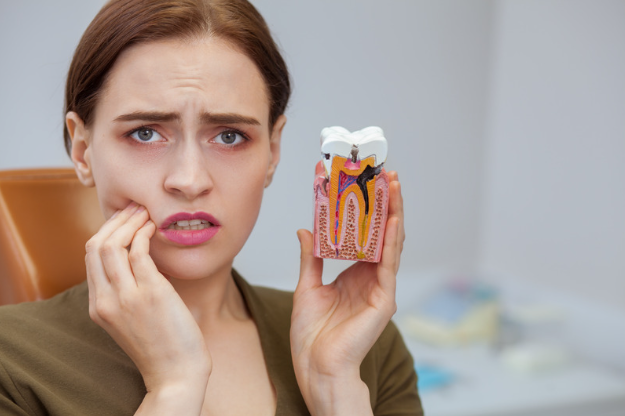
One of the most common dental emergencies among elderly individuals is a severe toothache. Persistent tooth pain may result from deep tooth decay, infection, a cracked tooth, or an abscess. The pain can range from mild discomfort to intense throbbing that interferes with eating and sleeping.
Symptoms of a Serious Toothache
Symptoms may include sensitivity to hot or cold foods, swelling around the tooth, pain while chewing, and tenderness in the surrounding gum tissue. Immediate dental evaluation is essential to determine the underlying cause and prevent the spread of infection.
Treatment Options
Treatment may involve fillings, root canal therapy, antibiotics, or tooth extraction depending on the severity of the condition.
Dental Abscess and Oral Infections
A dental abscess is a pocket of pus caused by bacterial infection. This condition is particularly dangerous for older adults because infections can spread to surrounding tissues and even enter the bloodstream.
Warning Signs of an Abscess
Common symptoms include severe tooth pain, facial swelling, fever, swollen lymph nodes, bad taste in the mouth, and difficulty swallowing. An abscess requires urgent professional treatment and should never be ignored.
Broken, Cracked, or Fractured Teeth
Teeth become more brittle with age, making them vulnerable to fractures. A fall, accident, or biting on hard food can cause a tooth to crack or break.
Consequences of Untreated Fractures
A cracked tooth may expose the inner pulp, leading to pain, infection, and further damage. Emergency dental care can help preserve the tooth and restore function.
Lost Fillings, Crowns, or Bridges
Older adults often have dental restorations that may loosen or fall out due to wear and tear. A lost filling or crown can expose sensitive areas of the tooth and cause discomfort.
Importance of Prompt Repair
Seeking dental treatment quickly helps protect the tooth from further decay, sensitivity, and structural damage.
Denture-Related Emergencies
Many seniors rely on full or partial dentures for daily function. Dentures can crack, break, become loose, or cause painful sores.
Common Denture Problems
Ill-fitting dentures may lead to gum irritation, difficulty chewing, and speech problems. Broken dentures should be repaired professionally rather than with household adhesives.
Gum Bleeding and Periodontal Emergencies
Advanced gum disease is common among elderly individuals. Severe gum infections can cause swelling, bleeding, pain, and tooth mobility.
Risks of Untreated Gum Disease
If left untreated, periodontal disease can result in tooth loss and may contribute to systemic health problems. Emergency dental care can help control infection and preserve oral health.
Knocked-Out Teeth and Oral Trauma
Although more common in younger people, seniors can experience dental trauma due to falls or accidents. A knocked-out tooth, jaw injury, or oral laceration requires immediate attention.
Emergency Response
Quick treatment improves the chances of saving damaged teeth and preventing long-term complications.
Dry Mouth and Related Emergencies
Many medications used by elderly patients cause dry mouth. Reduced saliva increases the risk of tooth decay, oral infections, and difficulty swallowing.
Managing Dry Mouth
Dentists may recommend hydration, saliva substitutes, and preventive dental care to reduce complications.
Conclusion
Dental emergencies in the elderly include severe toothaches, abscesses, broken teeth, lost restorations, denture problems, gum infections, oral trauma, and complications related to dry mouth. Because older adults may have underlying health conditions that complicate treatment, prompt dental care is essential. Regular dental checkups, good oral hygiene, and early intervention can help prevent many emergencies and maintain a healthy, comfortable smile throughout the later years of life.