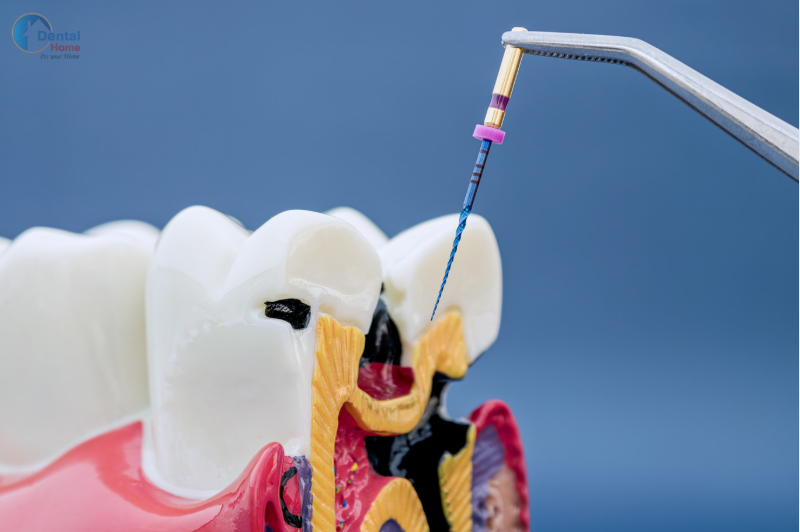
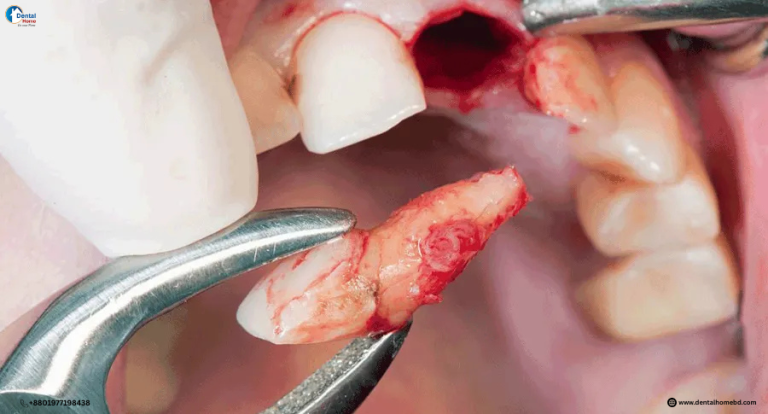
Surgical extraction is a dental procedure performed to remove a tooth that cannot be easily accessed or extracted by routine means. Unlike a simple extraction—where the tooth has fully erupted and is visible in the mouth—a surgical extraction involves removing teeth that are impacted, broken below the gumline, or surrounded by bone. This method is commonly used for wisdom teeth, severely decayed teeth, fractured teeth, or teeth with unusual root shapes that make standard extraction difficult.
Indications for Surgical Extraction
Several conditions can necessitate a surgical extraction:
- Impacted teeth: Teeth that fail to erupt fully, often due to lack of space or obstruction.
- Fractured teeth: When a tooth breaks at or below the gumline, gripping it with forceps becomes challenging.
- Severe decay or damage: If decay extends beneath the gumline or compromises the tooth’s structure, a surgical approach may be required.
- Abnormal root anatomy: Curved, hooked, or fused roots can prevent smooth removal via simple extraction.
- Preparation for orthodontics or prosthetics: Sometimes teeth are surgically removed to create space or prepare for dentures, bridges, or implants.
Procedure Steps
The surgical extraction process typically follows these stages:
- Assessment and Planning
The dentist or oral surgeon evaluates the tooth’s condition through clinical examination and radiographs (X-rays). This step determines the tooth’s position, root structure, and surrounding bone density. - Anesthesia Administration
Local anesthesia is used to numb the extraction site. In complex cases, sedation or general anesthesia may be provided to keep the patient comfortable and relaxed. - Incision and Access
A small incision is made in the gum tissue to expose the tooth and underlying bone. If necessary, the gum flap is gently retracted for clear visibility. - Bone Removal (Osteotomy)
If bone is covering the tooth or blocking its path, a dental drill is used to remove the necessary portion. This allows better access to the tooth roots. - Sectioning the Tooth
In many cases, the tooth is cut into smaller pieces using a surgical handpiece. Sectioning helps minimize bone removal and reduces trauma to surrounding tissues. - Tooth Removal
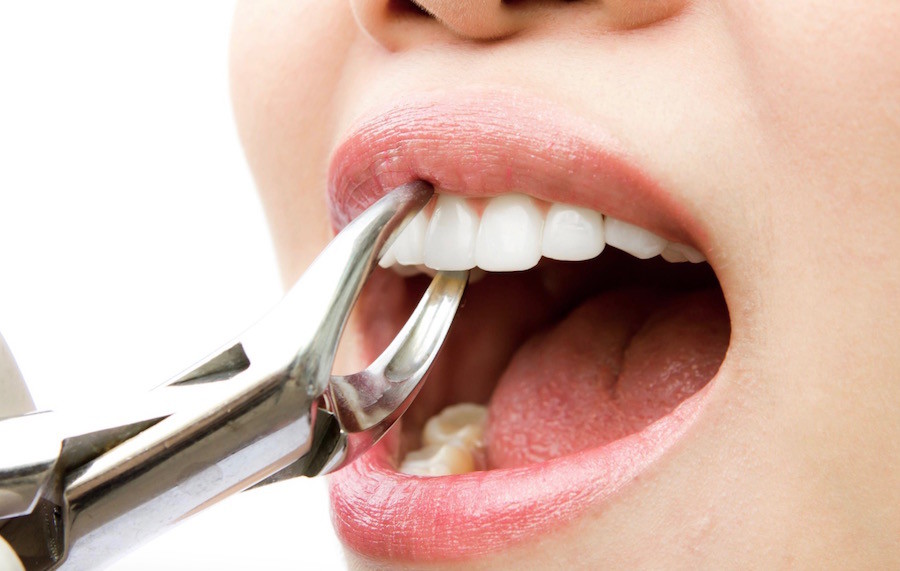
Each section is carefully loosened and removed with specialized instruments such as elevators and forceps. The goal is to preserve surrounding bone and minimize injury to adjacent teeth or structures. - Surgical Site Cleaning and Debridement
After removal, the socket is cleaned to remove debris or infected tissue. In some cases, bone graft material is placed to preserve the socket for future restorative work. - Closure
The gum flap is repositioned and sutured (stitched) to aid healing and protect the surgical site. Sutures may be absorbable or require removal after a week.
Post-Operative Care
Proper aftercare is crucial for healing and preventing complications like infection or dry socket. Common post-operative instructions include:
- Bite gently on the gauze pack for the first 45-60 minutes to control bleeding.
- Apply ice packs intermittently to reduce swelling in the first 24 hours.
- Avoid strenuous activity, spilling, or using straws for at least 24 hours to prevent dislodging the blood clot.
- Take prescribed medications, including antibiotics and pain killers, as directed.
- Maintain oral hygiene by gently rinsing frequently with warm saline water after 24 hours.
- Follow up with the dentist to monitor healing and remove sutures if necessary.
Risks and Complications
While generally safe, surgical extractions carry some risks, such as swelling, infection, dry socket, nerve injury, sinus exposure (for upper teeth), or prolonged bleeding. These are minimized with proper technique and adherence to aftercare instructions.
Conclusion
Surgical extraction is a valuable procedure in modern dentistry, allowing for the removal of problematic teeth that cannot be addressed by simpler means. Through careful planning, precise surgical technique, and proper aftercare, most patients recover well and experience relief from pain, infection, or functional problems caused by the affected tooth.