
Wisdom tooth extraction is a common dental procedure performed to remove one or more wisdom teeth, also known as third molars. These teeth usually appear between the ages of 17 and 25. While some wisdom teeth grow normally and cause no problems, many do not have enough space to erupt properly. In such cases, extraction is recommended to prevent pain, infection, and long-term dental complications.
What Are Wisdom Teeth?
Wisdom teeth are the last set of molars located at the back of the upper and lower jaws. Most people have four wisdom teeth, but some may have fewer or none at all. Because they erupt later than other teeth, the jaw often does not have enough room to accommodate them. This can cause the teeth to grow at an angle, remain partially erupted, or stay trapped under the gums, a condition known as impaction.
Why Is Wisdom Tooth Extraction Needed?
Wisdom tooth extraction is advised when these teeth cause or are likely to cause dental problems. Common reasons include:
- Pain and swelling in the jaw or gums
- Impacted wisdom teeth that cannot fully erupt
- Infection or gum disease around the tooth
- Tooth decay due to difficulty in cleaning
- Damage to nearby teeth caused by pressure
- Cysts or tumors forming around impacted teeth
Dentists may also recommend preventive removal, even if symptoms are not present, to avoid future complications.
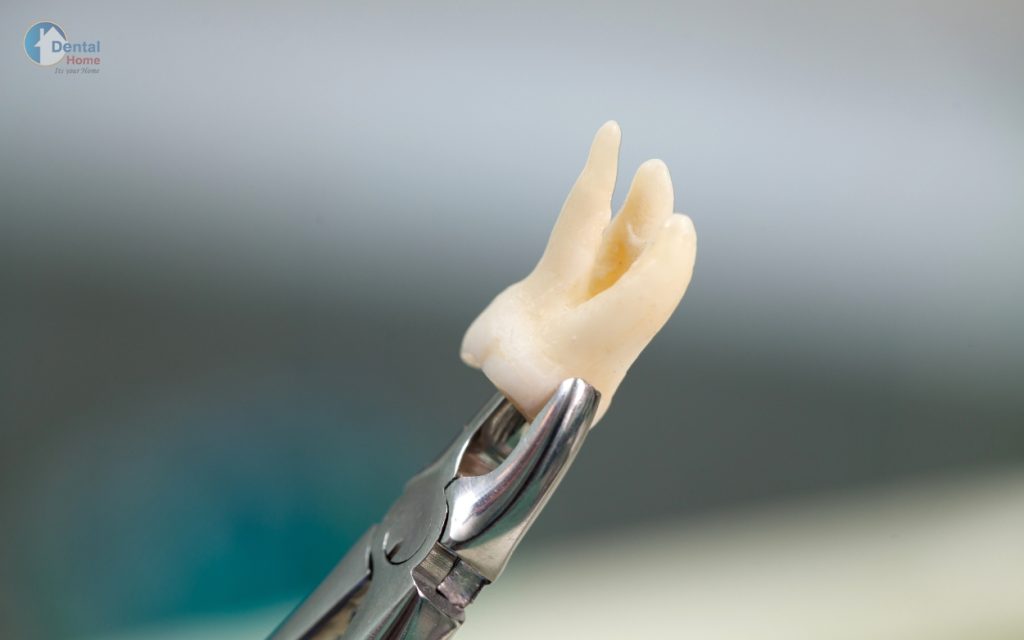
Types of Wisdom Tooth Extraction
There are two main types of wisdom tooth extraction:
- Simple Extraction
This is performed when the wisdom tooth has fully erupted and is visible above the gum line. The dentist loosens the tooth and removes it using dental instruments. - Surgical Extraction
This is required for impacted or partially erupted wisdom teeth. The dentist or oral surgeon makes a small incision in the gum and may remove some bone around the tooth. In some cases, the tooth is divided into smaller pieces for easier removal.
The Procedure
Wisdom tooth extraction is usually done under local anesthesia, sedation, or general anesthesia, depending on the complexity of the case. The procedure typically takes 30 to 60 minutes. During the extraction, the dentist ensures minimal discomfort and follows sterile techniques to reduce the risk of infection.
Recovery After Extraction
Recovery time varies from person to person, but most patients heal within one to two weeks. Common post-extraction symptoms include mild pain, swelling, and slight bleeding, which are normal and temporary.
Aftercare tips include:
- Taking prescribed pain medication as directed
- Applying ice packs to reduce swelling
- Eating soft foods like yogurt, soup, and mashed potatoes
- Avoiding smoking, straws, and hard foods
- Maintaining oral hygiene without disturbing the extraction site
Following these instructions helps promote faster healing and prevents complications such as dry socket.
Possible Risks and Complications
Wisdom tooth extraction is generally safe, but like any surgical procedure, it carries some risks. These may include infection, prolonged bleeding, dry socket, or temporary numbness. Choosing an experienced dentist and following aftercare instructions significantly reduces these risks.
Conclusion
Wisdom tooth extraction is a routine and effective dental procedure that helps maintain oral health and prevent future problems. Early evaluation by a dentist allows timely decision-making and smoother recovery. If you experience pain, swelling, or discomfort related to wisdom teeth, consulting a dental professional is the best step toward long-term dental wellness.