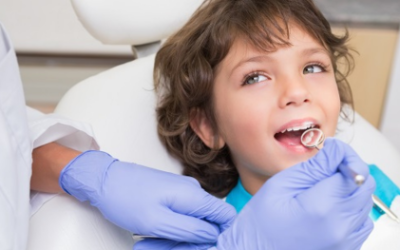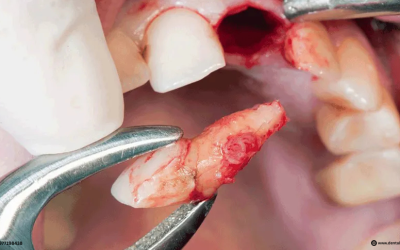
Also known as pediatric dentistry, children’s dentistry deals with maintaining the health of infants’, children’s, and teenagers’ teeth, gums, and mouth. The question most asked by most parents is when they should take their child to the dentist, and the answer mostly comes earlier than most think. The right steps taken at the right age will prevent future dental problems and help children grow up with strong, healthy smiles.
When Should a Child First Visit the Dentist?
The best time for a child’s first dental visit is within six months after their first tooth erupts or no later than the first birthday. Although baby teeth will eventually fall out, they are important in speech, chewing, and guiding permanent teeth into place. Early dental check-ups can give dentists an overview of how teeth are developing and possibly catch early issues.
Starting early aids the habituation of children to the dental environment. This reduces the fear and helps them gain confidence that will enable them to visit the dentist without anxiety, even later in their lives.
Why Early Dentistry Matters
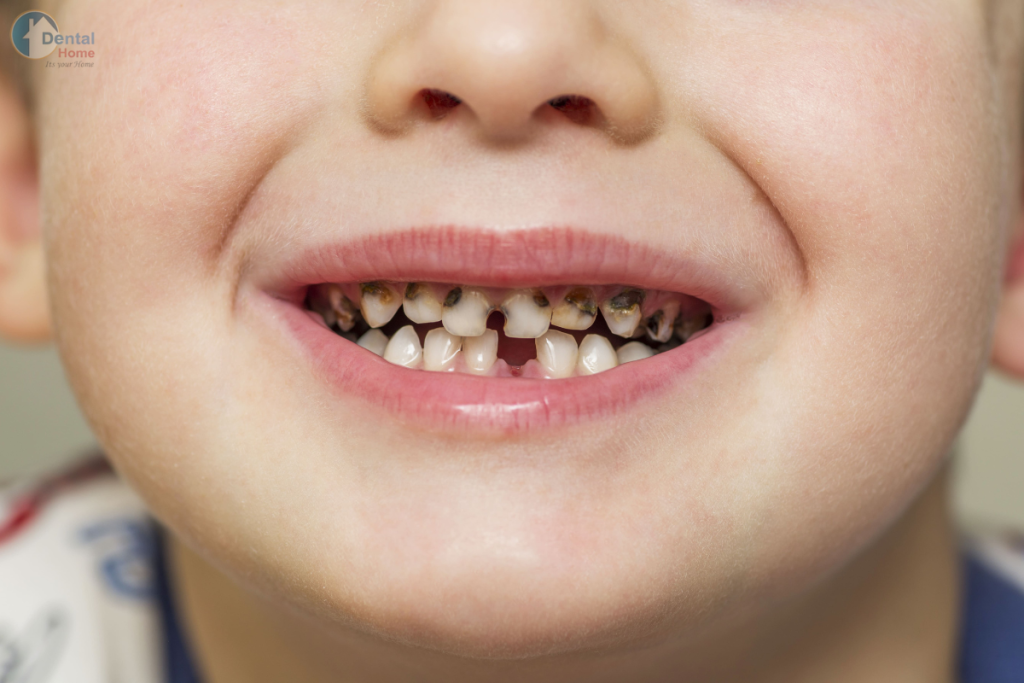
Early dental care helps the child avoid many common childhood problems with dental decay, gum infections, and improper growth of teeth. Many parents are unaware that cavities can begin with the eruption of a tooth. Through regular visits, early signs of decay can be detected by the dentist, fluoride treatments can be provided, and proper cleaning methods can be taught to parents to clean their child’s teeth.
Children who start dental visits before age two have fewer long-term dental problems and lower dental treatment costs later in life. Early dentistry builds a strong foundation of good habits that last into adulthood.
Key Ages to Visit the Dentist
1–3 Years: Baby Teeth Stage
During these early years, children’s baby teeth begin to emerge fully. Regular dental check-ups every six months are recommended. The dentist will:
Explore tooth growth
Fillings for cavities
Teach brushing and proper oral care
Counselling on pacifier use and feeding behavior
These visits also help identify any problems, such as “baby bottle tooth decay,” that are caused by prolonged exposure to sweetened liquids.
4–6 Years: Readiness for School Age
Children become more active at this age and may very well encounter dental injuries from playing. Dentists convey:
Checking the spacing of baby teeth
Monitoring jaw development
Reinforcing brushing and flossing habits
Applying dental sealants to protect the molars
Sealants are most useful because molars are the most difficult to clean and thus more likely to develop cavities.
6–12 Years: Mixed Dentition Stage
This is when children start losing baby teeth and permanent teeth begin appearing. Regular dentistry is important to:
Track new permanent teeth
Identify early orthodontic problems
Avoid overcrowding
Fill cavities before they get worse
Many dentists recommend that a child first visit an orthodontist around age 7, as it is an excellent time to identify and potentially treat any bite issues.
13–17 Years: Teenage Dentistry
Adolescents are the victims of sugary diets, sports injuries, and inadequate brushing. Dental visits help in:
Monitor the development of wisdom teeth
Educate on braces and alignment
Manage gum health
Address stains, cavities, or sensitivity
It is also crucial for building lifelong oral care habits, including those among teenagers.
Signs Your Child Should See a Dentist Immediately
Parents should plan a dental visit if the child experiences:
Toothache or sensitivity
Bleeding gums
Bad breath that doesn’t go away
Cracked or chipped teeth
White or brown spots on the teeth
Difficulty chewing or speaking
Early attention prevents bigger issues. Conclusion: Children’s dentistry should start early, preferably by their first birthday, and should continue on a regular basis every six months. Such visits ensure healthy teeth, proper jaw development, and good oral habits. Thus, regular check-ups at the right schedule at each age can help parents safeguard their child’s smile and build a lifelong road to excellent oral health. If parents are able to keep up with early and consistent dental care, then children will grow confident, comfortable, and with a bright, healthy smile.