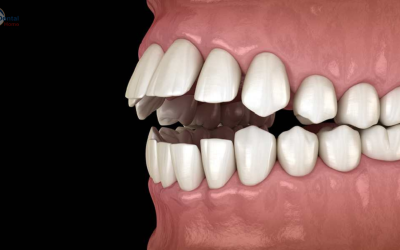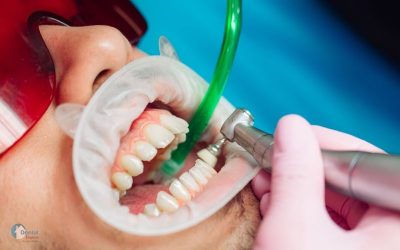
Tooth enamel erosion is a common dental problem where the hard, protective outer layer of the teeth gradually wears away due to chemical processes, mainly acids. Unlike cavities that are caused by bacteria, enamel erosion happens when acids directly attack the tooth surface, dissolving essential minerals such as calcium and phosphate. Once enamel is lost, it cannot grow back, making erosion a permanent form of damage if not prevented early.
What Causes Enamel Erosion
The primary cause of enamel erosion is frequent exposure to acids. These acids may come from foods, drinks, or the stomach.
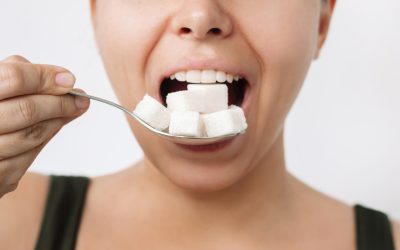
- Acidic foods and beverages: Soft drinks, energy drinks, fruit juices, citrus fruits, vinegar-based foods, and flavored waters contain high levels of acid that weaken enamel.
- Medical conditions: Acid reflux, gastroesophageal reflux disease (GERD), and frequent vomiting expose teeth to stomach acids that are extremely corrosive.
- Dry mouth: Saliva helps neutralize acids and repair early damage. Reduced saliva flow increases erosion risk.
- Certain medications: Some medicines are acidic or cause dry mouth, making enamel more vulnerable.
- Poor oral habits: Brushing immediately after consuming acidic foods can worsen erosion because the enamel is softened at that moment.
Signs and Symptoms
Early enamel erosion may not cause pain, but as it progresses, several symptoms appear:
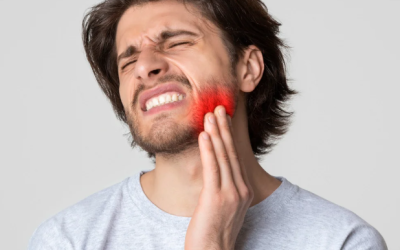
- Increased tooth sensitivity, especially to hot, cold, or sweet foods
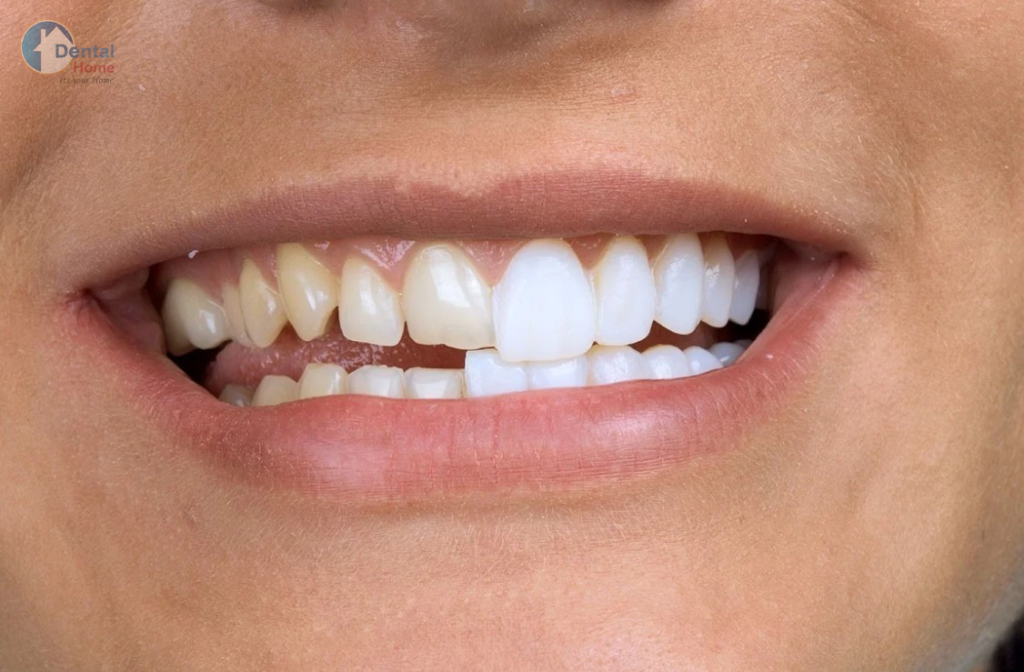
- Teeth appearing yellow as the underlying dentin becomes visible
- Rounded edges, cracks, or chips on the teeth
- Smooth, shiny areas on the tooth surface
- Changes in tooth shape or size in severe cases
How Enamel Erosion Affects Oral Health
When enamel thins, teeth lose their natural protection. This leads to higher sensitivity, a greater chance of cavities, and a higher risk of fractures. Over time, severe erosion can affect a person’s smile, chewing ability, and confidence. Repairing advanced enamel erosion often requires dental treatments such as fillings, bonding, veneers, or crowns.
Prevention and Protection
Although enamel cannot be restored naturally, erosion can be slowed or stopped with good care:
- Limit acidic intake: Reduce consumption of soft drinks and fruit juices. Drink water instead whenever possible.
- Rinse after acids: After eating or drinking acidic items, rinse your mouth with water to help neutralize acids.
- Wait before brushing: Wait at least 30–60 minutes before brushing after acidic exposure to avoid scrubbing away softened enamel.
- Use fluoride toothpaste: Fluoride strengthens remaining enamel and supports remineralization.
- Chew sugar-free gum: This increases saliva flow and helps wash away acids.
- Address medical issues: Seek medical advice if you suffer from acid reflux or frequent stomach problems.
Conclusion
Tooth enamel erosion is a gradual but serious condition that weakens the teeth and can lead to long-term dental complications. Understanding the causes and early signs is essential for prevention. With mindful eating habits, proper oral hygiene, and regular dental checkups, it is possible to protect your enamel and maintain a healthy, confident smile for life.