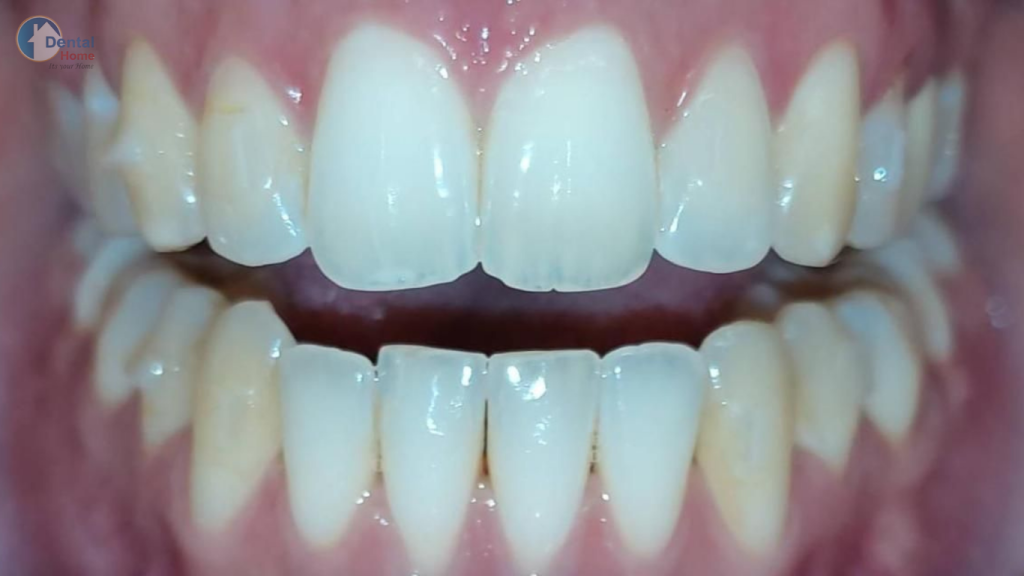
An open bite is a type of malocclusion (misalignment of teeth) in which the upper and lower teeth do not touch each other when the mouth is closed. Instead of overlapping properly, a visible gap remains between certain teeth. This condition most commonly affects the front teeth (anterior open bite), but it can also occur in the back teeth (posterior open bite).
Types of Open Bite
- Anterior Open Bite
This is the most common type, where the upper and lower front teeth fail to meet. A space is clearly visible even when the back teeth are touching. - Posterior Open Bite
In this case, the front teeth meet, but the back teeth do not make contact, making chewing difficult.
Causes of Open Bite
Open bite can develop due to several factors, especially during childhood when the jaws and teeth are growing.
- Thumb sucking or pacifier use beyond early childhood
- Tongue thrusting, where the tongue pushes forward during swallowing or speaking
- Mouth breathing caused by blocked nasal airways or enlarged adenoids
- Genetic factors, such as jaw size or shape inherited from parents
- Abnormal growth patterns of the jaw bones
- Prolonged bottle feeding
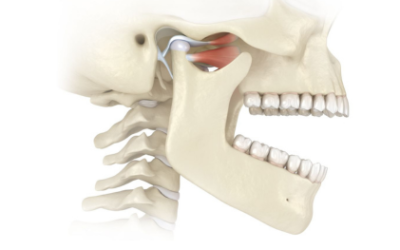
- Skeletal problems, where the upper and lower jaws grow at different angles
Signs and Symptoms
People with an open bite may experience:
- Difficulty biting or tearing food, especially with the front teeth
- Problems with chewing efficiency
- Speech difficulties, including lisping or unclear pronunciation
- Mouth breathing or dry mouth
- Facial appearance changes, such as a long face shape
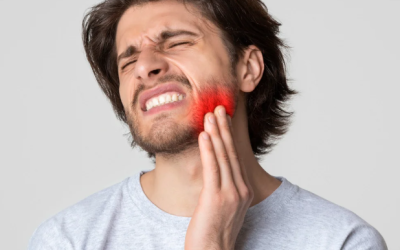
- Jaw pain or discomfort in severe cases
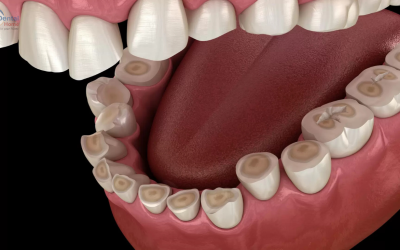
- Increased risk of tooth wear and gum problems
Effects on Oral Health
An untreated open bite can lead to multiple dental and health problems. Improper contact between teeth affects chewing, which may cause digestive issues over time. The abnormal pressure on back teeth may result in excessive wear, fractures, or sensitivity. Because some teeth do not touch at all, plaque can accumulate more easily, increasing the risk of cavities and gum disease. Speech issues can also impact a person’s confidence and social interactions.
Diagnosis
Dentists and orthodontists diagnose open bite through clinical examination, dental X-rays, photographs, and impressions or digital scans of the teeth. Growth patterns of the jaws are evaluated, especially in children and teenagers, to determine whether the problem is dental (tooth-related) or skeletal (bone-related).
Treatment Options
Treatment depends on the age of the patient and the severity of the condition.
- Habit correction: Stopping thumb sucking or tongue thrusting early can prevent open bite from worsening.
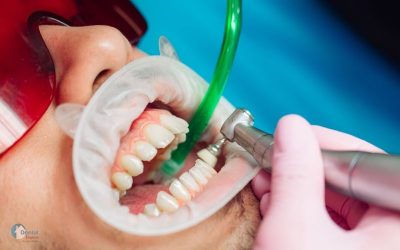
- Braces or clear aligners: These gradually move teeth into proper alignment.
- Orthodontic appliances: Tongue cribs or habit-breaking devices may be used.
- Elastics: Help guide the jaw and teeth into better position.
- Surgical treatment: In severe skeletal cases, jaw surgery combined with orthodontics may be necessary.
Prevention
Early dental check-ups, controlling harmful habits, and treating breathing problems in childhood can greatly reduce the risk of developing an open bite. With timely diagnosis and proper care, open bite can be corrected successfully, restoring both function and appearance.