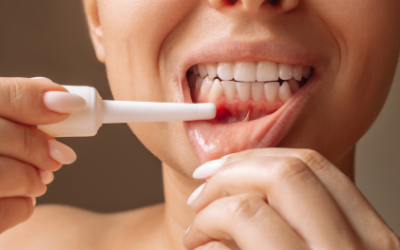
Dental polishing is a professional dental procedure performed to smooth and shine the surfaces of teeth. It is typically done after scaling during a routine dental cleaning appointment. The main purpose of dental polishing is to remove surface stains, plaque, and minor discoloration, leaving the teeth feeling smooth and looking brighter. While polishing enhances the appearance of teeth, it also contributes to better oral hygiene by making it more difficult for plaque and bacteria to adhere to the enamel.
What Is Dental Polishing?
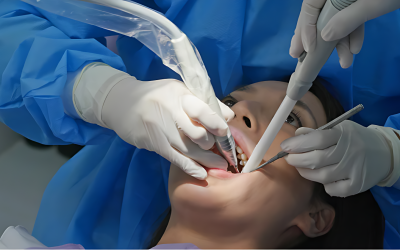
Dental polishing involves the use of a special polishing paste and a rotating rubber cup or brush attached to a low-speed dental handpiece. The paste contains mild abrasives that gently remove stains caused by coffee, tea, tobacco, and certain foods. In some cases, an air-polishing device may be used, which combines air, water, and a fine powder to clean and polish the teeth efficiently.
This procedure is usually performed by a dentist or dental hygienist as the final step of a professional teeth cleaning session. It is painless for most patients and typically takes only a few minutes.
Why Is Dental Polishing Done?
Dental polishing serves both cosmetic and preventive purposes. Some of the key benefits include:
- Removal of Surface Stains: It helps eliminate stains from food, drinks, and smoking.
- Smoother Tooth Surfaces: Polishing smooths enamel surfaces, reducing plaque accumulation.
- Improved Oral Hygiene: A smoother surface makes it harder for bacteria to attach to teeth.
- Enhanced Appearance: Teeth look cleaner, shinier, and brighter after polishing.
- Fresh Feeling: Patients often notice a smooth, refreshed sensation in their mouth.
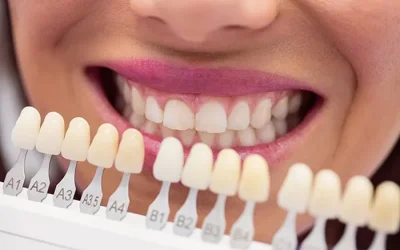
Although polishing improves the appearance of teeth, it does not significantly whiten teeth like professional bleaching treatments.
Types of Dental Polishing
There are different types of dental polishing techniques used depending on the patient’s needs:
- Coronal Polishing: The most common type, focusing on cleaning the visible surfaces of teeth.
- Therapeutic Polishing: Performed to remove bacteria and plaque in specific cases, such as before fluoride treatment.
- Air Polishing: Uses a stream of air, water, and fine powder for effective stain removal, often more comfortable for patients with sensitive teeth.
The Procedure
The dental polishing process usually follows scaling, where plaque and tartar are removed. Once the teeth are clean, the dental professional applies a gritty polishing paste to the teeth using a rubber cup or brush. The rotating tool spreads the paste across the enamel, gently buffing away stains and smoothing the surface.
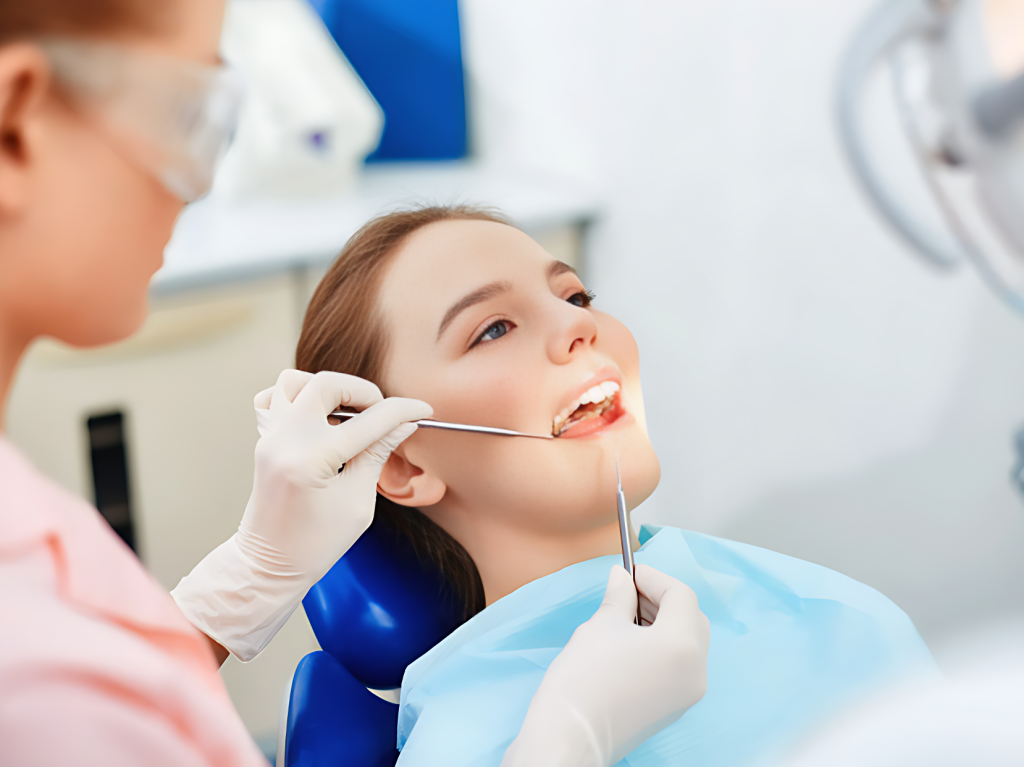
Patients may experience a mild tickling sensation during the procedure, but it is generally comfortable. After polishing, the mouth is rinsed thoroughly to remove any remaining paste.
Is Dental Polishing Safe?
Dental polishing is safe when performed by trained dental professionals. However, it is not always recommended for every patient. People with sensitive teeth, enamel erosion, exposed root surfaces, or certain gum conditions may require alternative approaches. Over-polishing can potentially wear down enamel if done too frequently, so it should only be performed as advised by a dentist.
Aftercare and Maintenance
After dental polishing, patients can resume normal activities immediately. It is advisable to avoid strongly pigmented foods and beverages for a few hours to maintain the polished appearance. Maintaining good oral hygiene practices—such as brushing twice daily, flossing regularly, and attending routine dental check-ups—helps preserve the results of dental polishing.
Conclusion
Dental polishing is a simple yet effective procedure that enhances both the appearance and cleanliness of teeth. By removing surface stains and smoothing enamel, it supports better oral hygiene and gives patients a brighter, fresher smile. When performed as part of regular dental care, dental polishing contributes to overall oral health and confidence.