While the prospect of a tooth extraction may sound intimidating, this frequently performed dental treatment is very often a constructive and vital step toward maintaining and regaining overall good oral health. The dentist will try to save an original tooth whenever possible, but in cases where a tooth is beyond restoration, removing it can lead to long-term health, comfort, and a renewed smile. Though there are situations in which the decision to remove a tooth has to be made with care, many benefits derived from the procedure far outweigh the temporary discomfort caused by it.
Immediate and Long-Term Pain Relief
One of the most important and immediate advantages that results from tooth extraction is relief from chronic and intense pain. A grossly decayed, infected, cracked, or impacted tooth-for example, an impacted third molar-can result in excruciating and unyielding discomfort that disturbs daily life, hindering eating and speaking. When fillings or root canals cannot help anymore, the complete removal of the troublesome tooth removes the source of pain completely. This represents a massive enhancement to quality of life, whereby patients can take up routine activities easily once again and eat food without continued throbbing or sensitivity.
Stopping the Spread of Infection and Disease
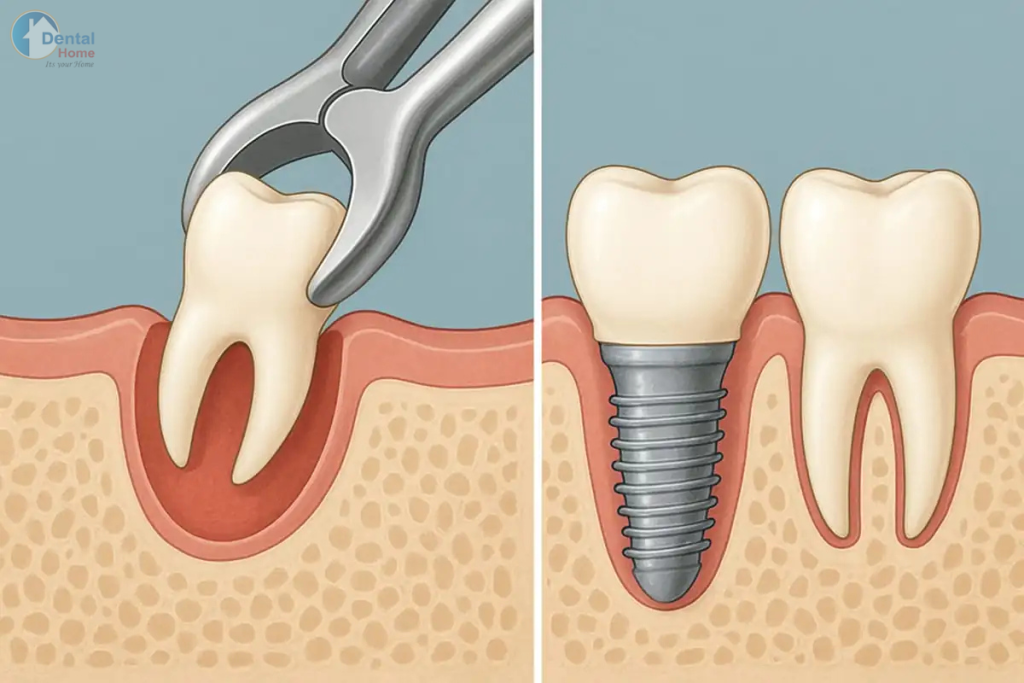
An acutely infected tooth poses a serious menace that goes beyond the oral cavity. In case of progressive bacteria up to the pulp chamber or inability for root canal therapy due to an advanced infection, the infection will spread. This could be in the form of a dental abscess, compromising gum tissue and jawbone parts, or even ascending into the bloodstream. Removing the infected tooth essentially eliminates the bacterial source from the infected tooth, preventing such infection from spreading into the adjacent healthy teeth, gum tissues, or other parts of the body. This is preventive care, which may protect the integrity of the whole dental structure and even prevent systemic health problems.
Preserving and protecting the neighbouring teeth
A broken or malpositioned tooth can often jeopardise the health of other teeth around it. In serious cases of dental decay or periodontitis, a compromised tooth becomes a reservoir for infecting bacteria that directly threaten the health of adjacent teeth. Similarly, impacted wisdom teeth often lean against the second molars, sometimes causing crowding, displacement, or forming narrow nooks that become sites of cavities. Extraction in these cases is a preventive measure-a sacrifice of one compromised tooth for the health and proper positioning of the remaining teeth to preserve a more natural dentition.
Preparing the Mouth for a Healthier, Straighter Smile
Extraction is a strategic part of many dental treatment plans. Among the key benefits are the creation of space in the mouth. In orthodontic cases, especially in those with overcrowding, the removal of one or more teeth allows for the remaining teeth to be moved into their correct positions. Aligned positions using braces or aligners. This not only cosmetically enhances the look of the smile but also makes the teeth much easier to clean, significantly reducing the future risk of decay and gum disease.
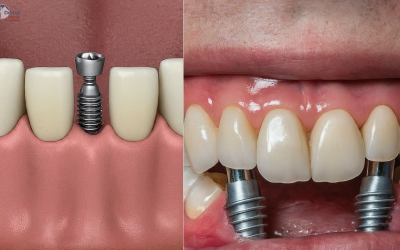
Extraction often plays a preparatory role in restorative procedures, such as dentures, bridges, or dental implants, preparing a stable. Healthy base for a functional and aesthetically pleasing replacement. Thus, though the decision to have a tooth extracted may be serious. It is often one of the most powerful and proactive steps one can take toward superior oral health. It immediately relieves pain, stops the development of dangerous infection. Protects surrounding healthy teeth and optimises conditions for effective restorative and orthodontic treatments.