A tooth infection, medically known as dental abscess, is a painful condition that occurs when bacteria invade the dental pulp—the innermost part of the tooth containing nerves and blood vessels. This can lead to swelling, severe pain, and, if untreated, serious complications affecting overall health. Understanding the causes, symptoms, and treatments of tooth infections is crucial for maintaining oral health.
Causes of Tooth Infection
Tooth infections are typically caused by bacterial invasion, often resulting from poor oral hygiene. Several factors contribute to this condition:
Tooth Decay (Cavities)
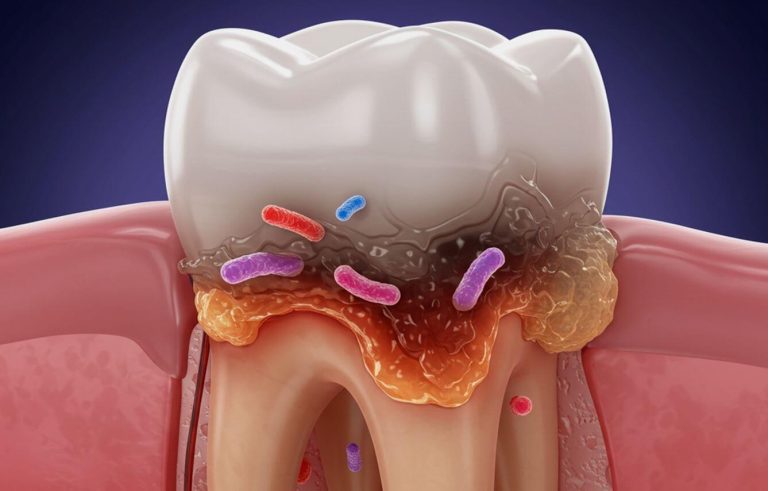
When plaque—a sticky film of bacteria—accumulates on the teeth, it produces acids that erode tooth enamel. If untreated, this can lead to cavities, which provide a pathway for bacteria to reach the tooth pulp, resulting in infection.
Gum Disease
Gingivitis and periodontitis, advanced forms of gum disease, can allow bacteria to enter the tooth’s root. Inflammation of the gums can spread infection to surrounding tissues and even the jawbone.
Cracked or Broken Teeth
A tooth that is cracked or broken exposes the inner pulp to bacteria. Trauma from accidents or biting hard objects can create an entry point for infection.
Previous Dental Procedures
Sometimes, improper fillings, crowns, or root canals can leave bacteria trapped inside the tooth, eventually causing infection.
Symptoms of Tooth Infection
Identifying a tooth infection early can prevent complications. Common signs include:
Severe Toothache
Persistent, throbbing pain in the affected tooth is the most common symptom. Pain may worsen when chewing or applying pressure.
Sensitivity to Temperature
An infected tooth often reacts painfully to hot or cold foods and beverages due to inflammation of the dental pulp.
Swelling and Redness
Swelling in the gums, face, or jaw near the infected tooth can indicate that the infection is spreading.
Bad Taste or Odor
Pus formation within the abscess can lead to a foul taste or odor in the mouth.
Fever and Fatigue
In severe cases, the infection can cause systemic symptoms like fever, fatigue, and general malaise, indicating that bacteria may have entered the bloodstream.
Diagnosis of Tooth Infection
Early diagnosis is essential for effective treatment. Dentists use several methods:
Clinical Examination
A dentist examines the affected tooth, gums, and surrounding tissues to identify signs of infection.
Dental X-rays
X-rays help detect the spread of infection to the roots, jawbone, or other areas not visible to the naked eye.
Pulp Vitality Tests
These tests determine the health of the tooth’s pulp and whether the nerve is still alive or has been compromised by infection.
Treatment of Tooth Infection
Treatment depends on the severity of the infection. Options include:
Antibiotics
For mild to moderate infections, antibiotics may help control bacterial growth. However, antibiotics alone are insufficient without addressing the source of infection.
Root Canal Therapy
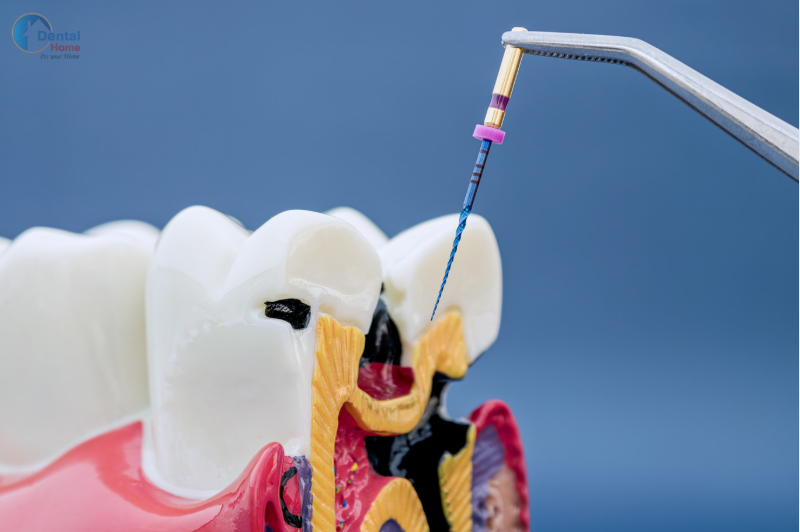
A root canal removes the infected pulp and cleans the tooth’s interior. Afterward, the tooth is sealed and often covered with a crown to restore functionality.
Tooth Extraction
If the tooth is severely damaged or cannot be saved, extraction may be necessary. Post-extraction care and possible replacement options, such as implants, are discussed with the dentist.
Pain Management
Over-the-counter pain relievers such as ibuprofen or acetaminophen can help manage pain and reduce inflammation during treatment.
Prevention of Tooth Infection
Preventing tooth infection is always better than treatment. Essential preventive measures include:
Proper Oral Hygiene
Brushing twice daily, flossing, and using antiseptic mouthwash reduce bacterial buildup.
Regular Dental Checkups
Routine checkups help detect cavities and gum issues before they progress into infections.
Healthy Diet
Limiting sugary foods and drinks can prevent cavities, which are a primary cause of infection.
Protective Dental Measures
Using mouthguards during sports and avoiding hard foods reduces the risk of tooth fractures that could lead to infection.
When to See a Dentist Immediately
Seek urgent dental care if you notice:
Severe tooth pain that does not improve with medication
Swelling in the face or jaw
Fever or general malaise
Pus or a foul taste in the mouth
Complications of Untreated Tooth Infection
Ignoring a tooth infection can lead to serious consequences:
Spread of Infection: Infection can reach the jawbone, sinuses, or bloodstream.
Sepsis: A life-threatening condition if bacteria enter the bloodstream.
Tooth Loss: The affected tooth may need extraction if the infection becomes severe.
Tooth infections are painful but preventable. Timely dental care, proper hygiene, and a healthy lifestyle can protect your teeth and overall health from the dangers of dental infections.