
Smoking is widely known for its harmful effects on overall health, but many people overlook how seriously it damages oral health. Teeth and gums are among the first parts of the body affected by tobacco use. Whether through cigarettes, cigars, or other forms of tobacco, smoking introduces toxic chemicals into the mouth that gradually weaken teeth, stain enamel, and lead to severe dental problems. Understanding these risks is essential for maintaining a healthy and confident smile.
Effects of Smoking on Teeth
Tooth Discoloration
One of the most visible effects of smoking is tooth staining. Tobacco contains tar and nicotine, which cling to the enamel of teeth. Over time, these substances cause teeth to turn yellow or even brown. Unlike regular food stains, tobacco stains are stubborn and often require professional dental cleaning or whitening treatments to remove.
Enamel Damage
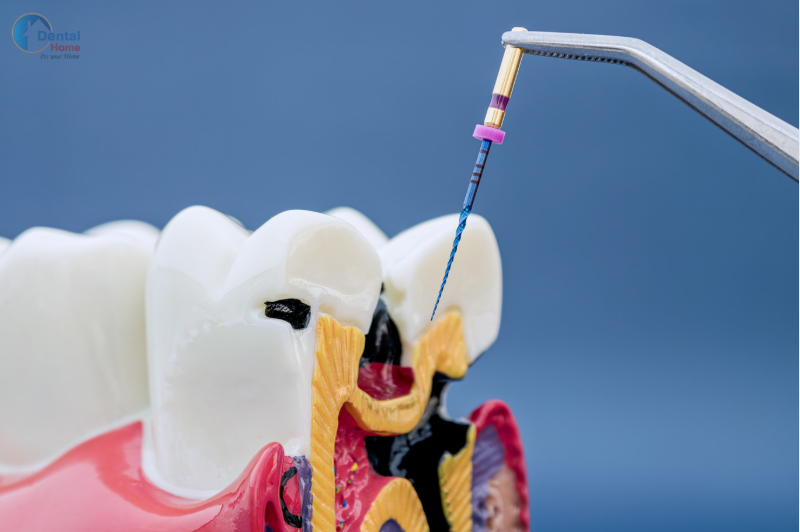
Smoking weakens the enamel, the protective outer layer of the teeth. As enamel becomes thinner, teeth become more sensitive and prone to decay. Damaged enamel cannot repair itself, making this a permanent issue if not addressed early.

Impact on Gums
Gum Disease (Periodontal Disease)
Smoking significantly increases the risk of gum disease. It reduces blood flow to the gums, depriving them of essential oxygen and nutrients. This weakens the body’s ability to fight infections, allowing bacteria to thrive. Early signs include red, swollen, and bleeding gums, which can progress to more serious conditions like periodontitis.
Receding Gums
Smokers often experience gum recession, where the gums pull away from the teeth. This exposes the roots of the teeth, making them more sensitive and vulnerable to decay. Gum recession can also affect the appearance of the smile, making teeth look longer and unhealthy.
Increased Risk of Tooth Decay
Bacterial Growth
Smoking creates a dry environment in the mouth by reducing saliva production. Saliva plays a crucial role in washing away food particles and neutralizing acids. Without enough saliva, harmful bacteria multiply quickly, leading to cavities and plaque buildup.
Slow Healing
Smokers experience slower healing after dental procedures such as tooth extraction, implants, or gum surgery. This delay increases the risk of infections and complications, making dental treatments less effective.
Serious Oral Health Conditions
Oral Cancer
One of the most dangerous consequences of smoking is the increased risk of oral cancer. Tobacco contains carcinogenic substances that can cause abnormal cell growth in the mouth, lips, tongue, and throat. Early symptoms may include sores that do not heal, lumps, or persistent pain.
Tooth Loss
Advanced gum disease and untreated decay can eventually lead to tooth loss. Smokers are significantly more likely to lose teeth compared to non-smokers. Losing teeth affects not only appearance but also chewing ability and overall quality of life.
Bad Breath and Taste Problems
Persistent Bad Breath
Smoking causes chronic bad breath, also known as halitosis. The chemicals in tobacco linger in the mouth and lungs, producing an unpleasant odor that is difficult to eliminate with brushing or mouthwash alone.
Reduced Sense of Taste
Smoking dulls the taste buds, making it harder to enjoy food. This can lead to poor dietary habits, further affecting oral and general health.
Prevention and Care
Quitting Smoking
The most effective way to protect your teeth is to quit smoking. Once you stop, your gums begin to heal, and the risk of further damage decreases significantly. Although some effects like staining may remain, quitting prevents future harm.
Maintaining Oral Hygiene
Good oral hygiene is essential, especially for smokers. Brushing twice a day with fluoride toothpaste, flossing daily, and using an antibacterial mouthwash can help reduce the buildup of plaque and bacteria.
Regular Dental Visits
Regular check-ups with a dentist are crucial. Professional cleanings can remove stubborn stains and detect early signs of gum disease or oral cancer. Early detection increases the chances of successful treatment.
Conclusion
Smoking has a devastating impact on dental health, affecting everything from the appearance of teeth to the strength of gums and the risk of serious diseases. Stained teeth, gum disease, tooth decay, and even oral cancer are all linked to tobacco use. While the damage can be severe, many of these effects are preventable. By quitting smoking and maintaining proper oral care, individuals can protect their teeth, improve their overall health, and enjoy a brighter, healthier smile for years to come.