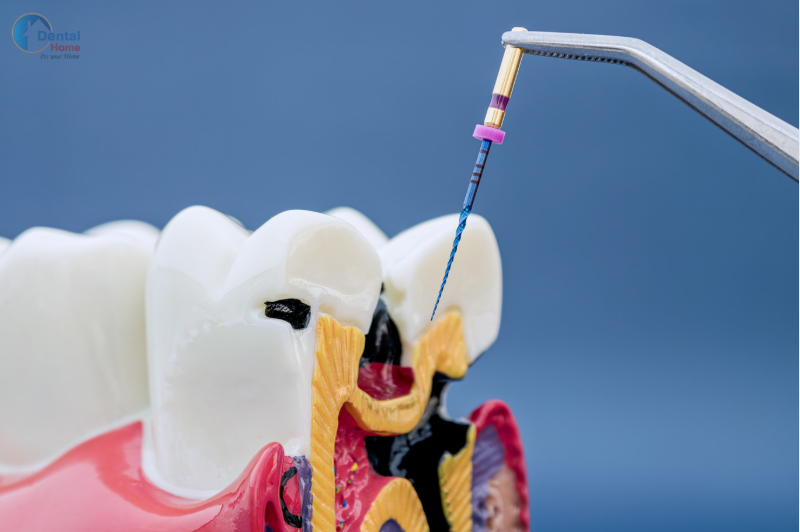
Dental tartar, also known as dental calculus, is a hard, calcified deposit that forms on teeth when plaque is not removed properly. Plaque itself is a soft, sticky film of bacteria that constantly develops on teeth. When this plaque remains for too long, it absorbs minerals from saliva and hardens into tartar. Unlike plaque, tartar cannot be removed by simple brushing and requires professional dental cleaning.
How Tartar Forms
Tartar formation begins with poor oral hygiene habits. When brushing and flossing are irregular or ineffective, plaque accumulates along the gumline and between teeth. Over time, minerals such as calcium and phosphate in saliva react with plaque, turning it into a hardened substance. This process can occur within 24 to 72 hours if plaque is left undisturbed.
Why Tartar Buildup Is Harmful
Impact on Oral Health
Tartar buildup is more than just a cosmetic issue. It creates a rough surface on teeth that encourages further plaque accumulation. This leads to a cycle of bacterial growth that can damage both teeth and gums. The bacteria present in tartar release acids and toxins that irritate gum tissues and weaken tooth enamel.
Gum Disease Risk
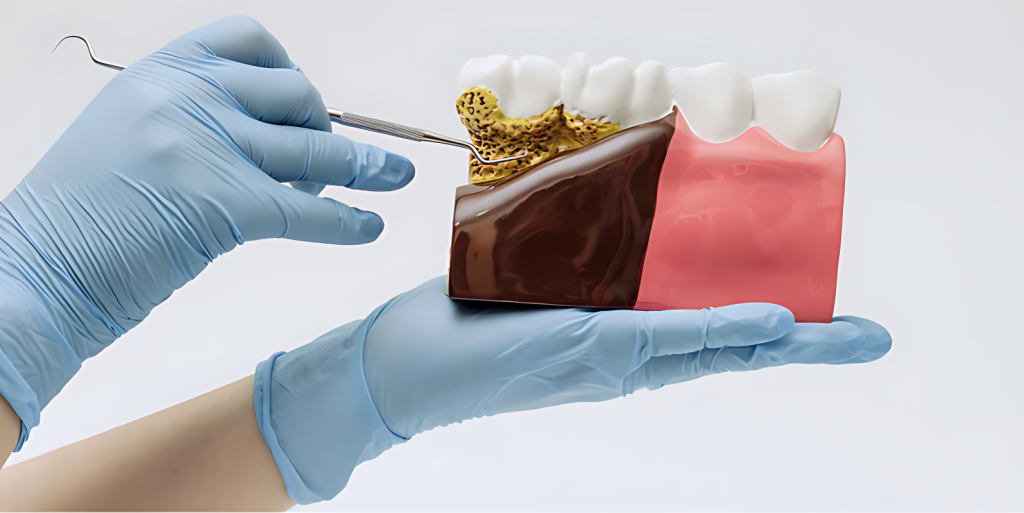
One of the most serious consequences of tartar buildup is gingivitis, the early stage of gum disease. If left untreated, gingivitis can progress into periodontitis, a more severe condition that can cause gum recession, bone loss, and even tooth loss. Tartar acts as a barrier that prevents proper cleaning, allowing bacteria to thrive below the gumline.
Tooth Decay and Cavities
Tartar contributes significantly to dental caries by trapping harmful bacteria against the tooth surface. These bacteria produce acids that erode enamel, leading to cavities. Once enamel is damaged, it cannot regenerate, making prevention crucial.
Signs and Symptoms of Tartar Buildup
Visible Indicators
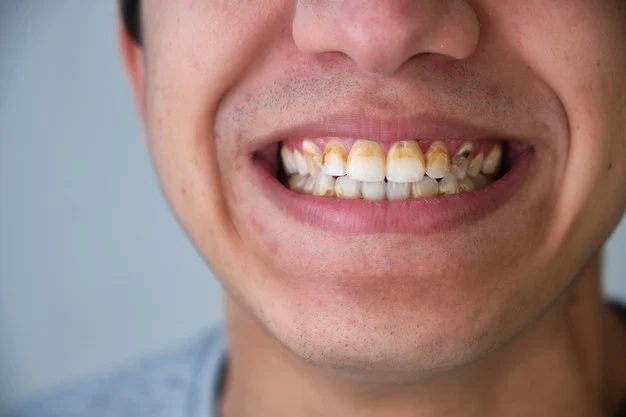
Tartar often appears as yellow or brown deposits on teeth, especially near the gumline or between teeth. In some cases, it may also form below the gums, where it is not easily visible but still harmful.
Oral Discomfort
People with tartar buildup may experience bad breath, also known as halitosis. Other symptoms include gum bleeding during brushing, sensitivity, and swollen or tender gums.
Long-Term Effects
If tartar is not removed, it can lead to permanent damage such as tooth mobility, gum recession, and eventual tooth loss. These issues not only affect oral health but also overall well-being and confidence.
Prevention of Tartar Buildup
Daily Oral Hygiene Practices
The most effective way to prevent tartar is by maintaining proper oral hygiene. Brushing twice a day with fluoride toothpaste and flossing daily helps remove plaque before it hardens. Using an antibacterial mouthwash can also reduce bacterial growth.
Professional Dental Care
Regular visits to a dentist for cleaning are essential. Professional tools can remove tartar that cannot be eliminated at home. Dentists may also recommend scaling and polishing procedures to keep teeth smooth and free from deposits.
Dietary Considerations
Reducing the intake of sugary and starchy foods can help prevent plaque formation. Drinking plenty of water and eating crunchy fruits and vegetables can naturally clean teeth and stimulate saliva production.
Treatment Options for Tartar Removal
Scaling and Polishing
The most common treatment for tartar removal is scaling, a process where dental professionals use specialized instruments to scrape off tartar from teeth surfaces and below the gumline. This is usually followed by polishing to smooth the teeth and prevent further plaque buildup.
Advanced Procedures
In severe cases, deep cleaning procedures such as root planing may be necessary. This involves cleaning the roots of teeth to remove bacteria and promote healing of the gums.
Conclusion
Dental tartar buildup is a serious oral health concern that should not be ignored. It not only affects the appearance of teeth but also leads to significant dental problems such as gum disease, cavities, and bad breath. By practicing good oral hygiene, visiting the dentist regularly, and maintaining a healthy diet, individuals can effectively prevent and manage tartar buildup. Taking early action ensures healthier teeth, stronger gums, and a confident smile for years to come.