Wisdom teeth, also known as third molars, are the last set of teeth to emerge in the human mouth, typically appearing between the ages of 17 and 25. While they were once essential for our ancestors who consumed a tougher diet, modern lifestyles and smaller jaw sizes have made wisdom teeth more problematic than beneficial. For many people, these late-emerging teeth become a source of discomfort, pain, and various oral health issues.
Why Wisdom Teeth Cause Problems
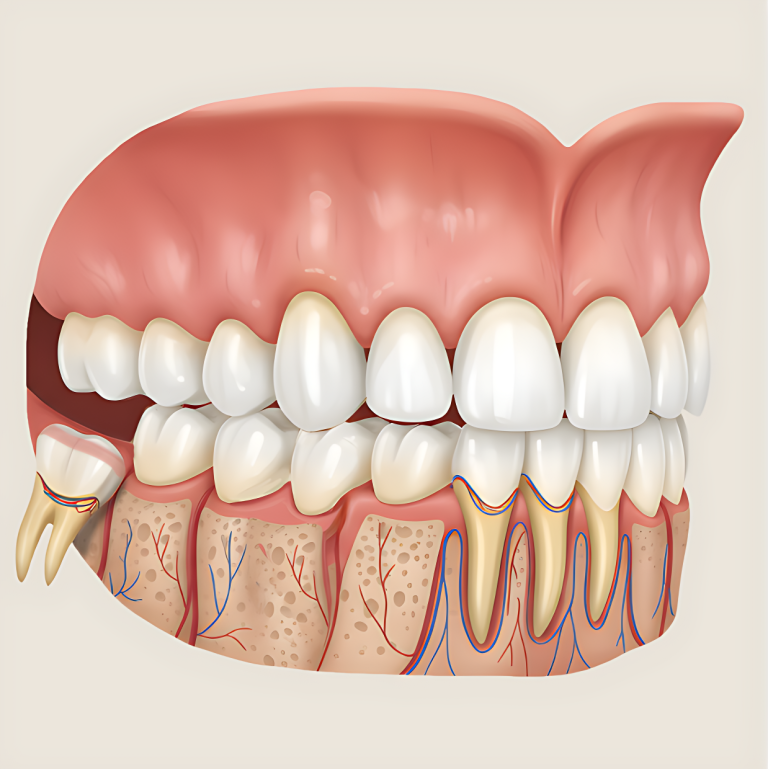
The primary reason wisdom teeth lead to complications is the lack of sufficient space in the jaw. As they attempt to erupt, they often push against existing teeth or become trapped beneath the gum line. This misalignment or incomplete eruption can trigger a chain of dental problems that require attention.
Common Wisdom Teeth Issues
Wisdom teeth problems vary in severity, but several common issues are frequently observed:
Impaction
Impaction occurs when a wisdom tooth fails to fully emerge through the gum. It may remain completely hidden or partially visible. Impacted teeth can grow at odd angles—sometimes horizontally—causing pressure on neighboring teeth and leading to significant pain.
Pain and Discomfort
One of the earliest signs of wisdom tooth problems is persistent pain on the back of the mouth. This discomfort may radiate to the jaw, ear, or head, making everyday activities like chewing or speaking uncomfortable.
Infection and Swelling
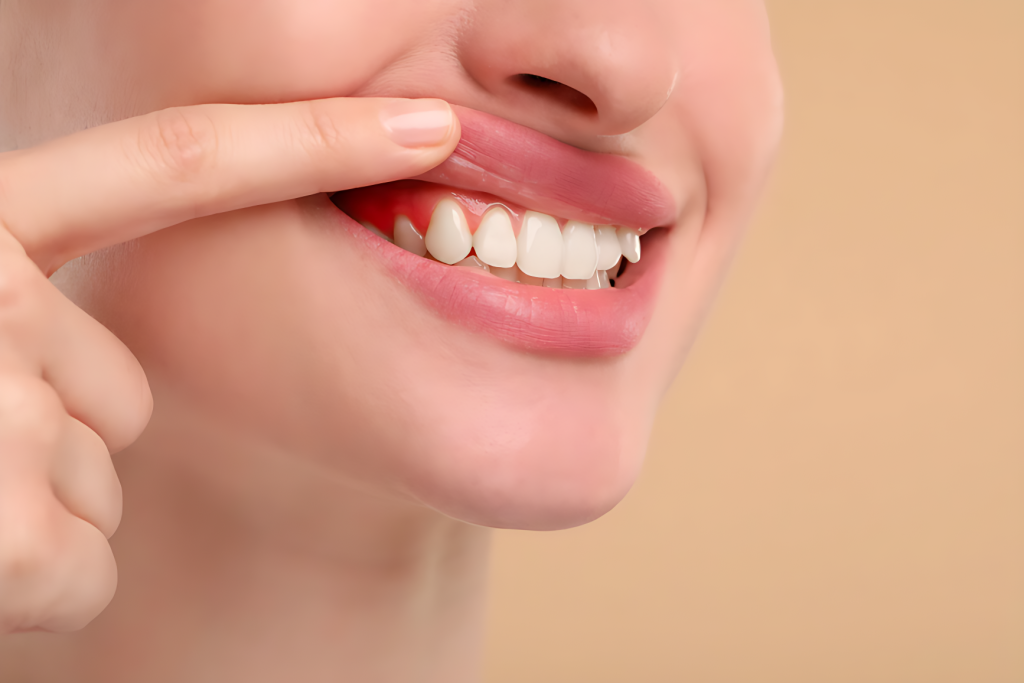
Partially erupted wisdom teeth create an opening where bacteria can easily enter. This can lead to infections, gum swelling, redness, and even the formation of pus. The condition, known as pericoronitis, can worsen without proper care.
Tooth Decay
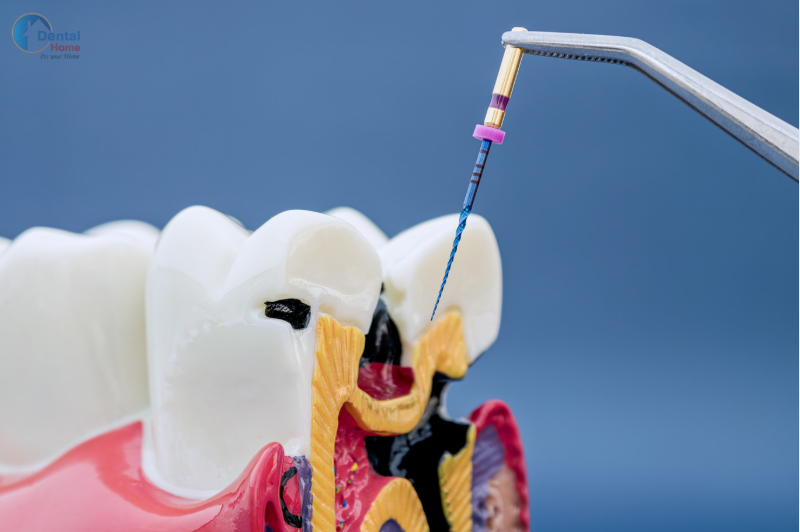
Wisdom teeth are located far back in the mouth, making them difficult to clean properly. As a result, they are highly susceptible to cavities and decay. Food particles and plaque often accumulate around these teeth, increasing the risk of dental damage.
Damage to Nearby Teeth
When wisdom teeth grow at an angle, they may push against adjacent molars. This pressure can damage healthy teeth, leading to misalignment or even structural harm or dental caries.
Cysts and Jaw Damage
In some cases, impacted wisdom teeth can lead to the formation of cysts; fluid-filled sacs that develop around the tooth. These cysts can damage the jawbone, nerves, and surrounding teeth if left untreated.
Symptoms to Watch For
Recognizing the symptoms of wisdom teeth problems early can help prevent complications. Common signs include:
- Pain or tenderness in the back of the mouth
- Swollen or bleeding gums
- Difficulty opening the mouth
- Bad breath or an unpleasant taste
- Headaches or jaw stiffness
If any of these symptoms persist, it is important to seek dental advice promptly.
Diagnosis and Evaluation
Dentists usually diagnose wisdom teeth issues through clinical examination and dental X-rays. X-rays help determine the position of the teeth, whether they are impacted, and the potential risks they pose. Early detection allows for better planning and management.
Treatment Options
Treatment for wisdom teeth problems depends on the severity of the condition. Some common approaches include:
Monitoring: If the teeth are not causing immediate issues, dentists may recommend regular check-ups to monitor their growth.
Medication: Pain killers and antibiotics may be prescribed to manage discomfort and infection.
Surgical Removal: In many cases, removing the wisdom teeth is the most effective solution. This procedure is commonly performed under local or general anesthesia and usually has a smooth recovery process.
Recovery After Extraction
After wisdom teeth removal, proper care is essential for healing. Patients are advised to rest, avoid hard foods, and follow their dentist’s instructions. Swelling and mild discomfort are normal but typically subside within a few days. Maintaining oral hygiene during recovery helps prevent complications such as dry socket.
Prevention and Care
While it may not always be possible to prevent wisdom teeth problems entirely, good oral hygiene can significantly reduce risks. Brushing twice daily, flossing, and using an antibacterial mouthwash help keep the mouth clean. Regular dental visits also ensure early detection of any developing issues.
Conclusion
Wisdom teeth, though a natural part of dental development, often bring more challenges than benefits in modern times. From pain and infection to serious complications like cysts and damage to neighboring teeth, these molars require careful attention. Understanding the potential problems, recognizing symptoms early, and seeking timely dental care can make a significant difference. With proper management and preventive care, individuals can maintain healthy smiles and avoid the discomfort associated with wisdom teeth issues.