Dental scaling is a professional dental procedure designed to remove plaque, tartar (calculus), and bacteria from the surfaces of the teeth and below the gumline. It is one of the most common and essential preventive dental treatments, helping maintain healthy gums and teeth while preventing serious oral health problems.
What Is Dental Scaling?
Dental scaling is a deep cleaning procedure performed by a dentist or dental hygienist. Over time, plaque—a sticky film of bacteria—builds up on teeth due to food particles and poor oral hygiene. If not removed through brushing and flossing, plaque hardens into tartar. Unlike plaque, tartar cannot be removed at home and requires professional tools.
Scaling involves the careful removal of plaque and tartar from the tooth surfaces, especially around and beneath the gumline. This procedure is often part of routine dental cleaning but may also be recommended as part of treatment for gum disease.
Why Is Dental Scaling Important?
Regular dental scaling is crucial for maintaining good oral health. When plaque and tartar accumulate, they irritate the gums and can lead to:
- Gingivitis (gum inflammation)
- Periodontitis (advanced gum disease)
- Bleeding gums
- Bad breath (halitosis)
- Tooth sensitivity
- Tooth loss in severe cases
By removing harmful buildup, dental scaling helps prevent gum disease and keeps your smile healthy and bright.
How the Procedure Is Performed
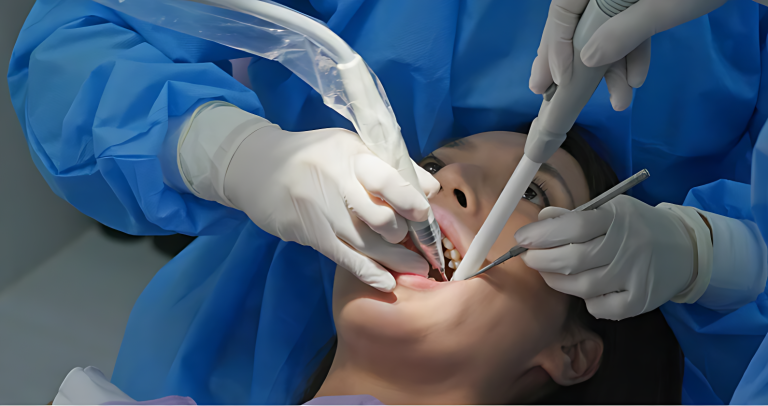
Dental scaling is typically a painless and straightforward procedure. The dentist or hygienist uses specialized tools, including manual scalers and ultrasonic devices, to remove plaque and tartar.
- Examination: The dentist first examines your teeth and gums to assess plaque buildup and gum health.
- Ultrasonic Scaling: An ultrasonic scaler uses vibrations and water spray to break down and wash away tartar.
- Manual Scaling: Hand instruments are used to carefully remove any remaining deposits.
- Polishing (Optional): After scaling, teeth may be polished to remove surface stains and smooth the enamel.
- Fluoride Treatment (Optional): In some cases, fluoride may be applied to strengthen the teeth.
The procedure usually takes 30 to 60 minutes, depending on the level of buildup.
Is Dental Scaling Painful?
Most patients experience little to no discomfort during dental scaling. If there is significant tartar buildup or gum inflammation, mild sensitivity or slight discomfort may occur. For patients with sensitive gums, local anesthesia can be used to ensure comfort.

After the procedure, mild gum tenderness or sensitivity may last for a day or two but typically resolves quickly.
Who Needs Dental Scaling?
Dental scaling is recommended for:
- Individuals with visible tartar buildup
- People with bleeding or swollen gums
- Patients diagnosed with gingivitis or early periodontitis
- Anyone who has not had a professional cleaning in six months or more
Dentists generally recommend professional cleaning and scaling every six months, though some individuals with gum disease may require more frequent visits.
Benefits of Dental Scaling
Dental scaling offers numerous oral health benefits:
- Removes harmful bacteria and tartar
- Prevents gum disease progression
- Reduces bad breath
- Improves gum health
- Enhances the appearance of teeth
- Supports overall health, as oral infections can impact the body
Maintaining clean teeth and healthy gums also reduces the risk of more complex and costly dental treatments in the future.
Aftercare and Maintenance
After dental scaling, it is important to maintain good oral hygiene habits:
- Brush twice daily with fluoride toothpaste
- Floss daily
- Use an antibacterial mouthwash if recommended
- Avoid smoking
- Visit your dentist regularly
Proper home care combined with routine professional cleanings ensures long-term oral health.
Conclusion
Dental scaling is a safe, effective, and essential dental procedure that protects your teeth and gums from serious complications. By removing plaque and tartar buildup, it prevents gum disease, improves oral hygiene, and promotes a healthier smile. Regular dental visits and consistent oral care practices are key to maintaining strong, healthy teeth for years to come.