Dental braces are orthodontic devices designed to correct misaligned teeth and jaw irregularities. While many people associate braces primarily with improving appearance, their benefits extend far beyond aesthetics. Properly aligned teeth contribute to better oral health, improved function, enhanced confidence, and long-term dental stability. For children, teenagers, and adults alike, dental braces play a vital role in achieving a healthy and balanced smile.
1. Improved Teeth Alignment and Bite Correction
One of the most important benefits of dental braces is their ability to align crooked, crowded, or widely spaced teeth. Braces gradually apply controlled pressure to move teeth into their correct positions. This alignment also helps correct bite problems such as overbite, underbite, crossbite, and open bite. A properly aligned bite ensures that the upper and lower teeth meet correctly, reducing strain on the jaw muscles and joints.
2. Better Oral Hygiene and Reduced Risk of Dental Problems
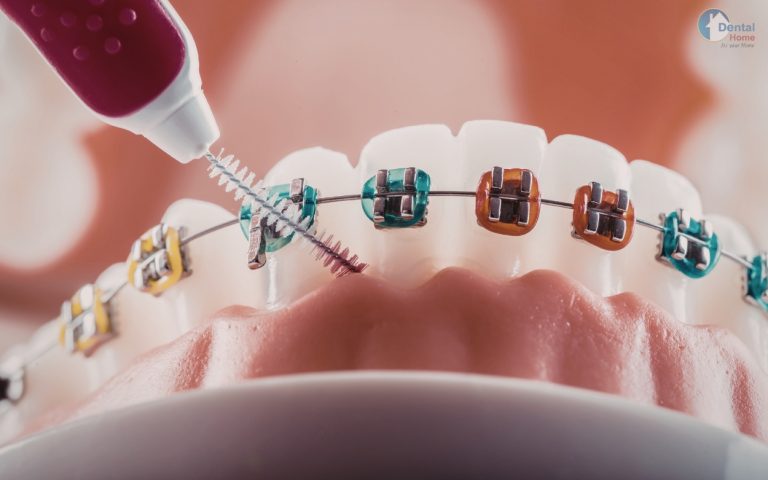
Misaligned teeth can create tight spaces that are difficult to clean properly with regular brushing and flossing. These areas can trap food particles and plaque, increasing the risk of cavities, gum disease, and tooth decay. By straightening teeth, braces make it easier to maintain good oral hygiene. Proper alignment allows toothbrush bristles and floss to reach all tooth surfaces more effectively, helping to keep gums healthy and preventing long-term dental issues.
3. Enhanced Chewing and Speech Function
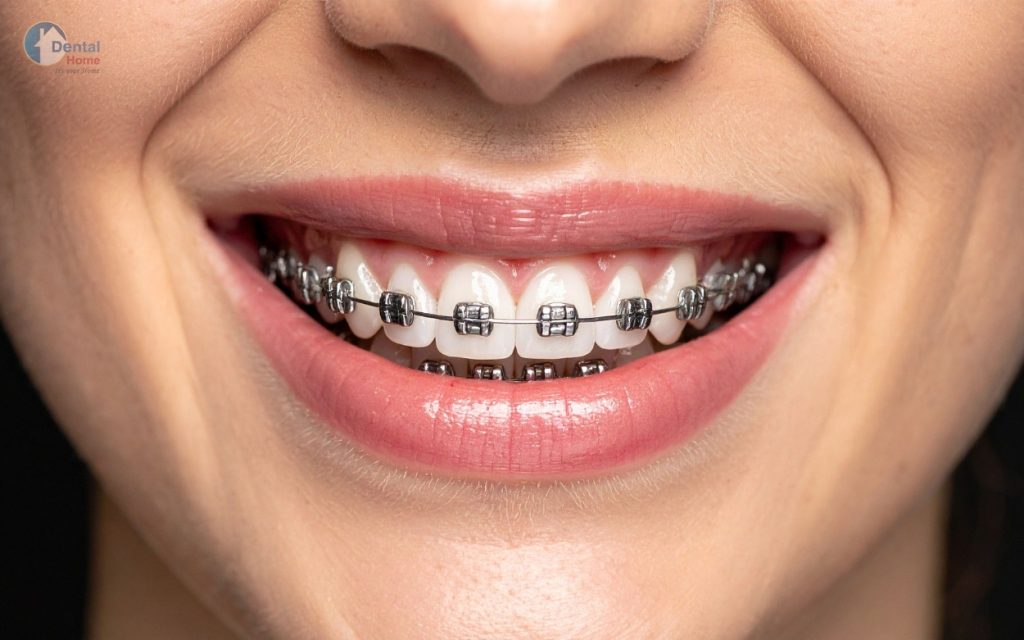
Teeth that are out of alignment can affect how efficiently a person chews food. Improper chewing may lead to digestive discomfort because food is not broken down adequately before swallowing. Dental braces improve chewing efficiency by aligning teeth correctly, allowing them to function together as intended.
In some cases, misaligned teeth or jaw problems can also affect speech, causing difficulty pronouncing certain sounds. By correcting these issues, braces may help improve speech clarity and overall communication.
4. Prevention of Excessive Tooth Wear and Jaw Pain
When teeth are not aligned properly, certain teeth may experience excessive pressure during biting or chewing. Over time, this uneven pressure can lead to enamel wear, tooth fractures, or sensitivity. Braces help distribute biting forces evenly across all teeth, reducing abnormal wear.
Additionally, bite problems can contribute to jaw discomfort, headaches, and temporomandibular joint (TMJ) issues. Correcting the alignment with braces can relieve stress on the jaw joints and muscles, improving comfort and reducing pain.
5. Improved Facial Balance and Appearance
Dental braces can positively influence overall facial aesthetics. Proper tooth alignment supports the natural structure of the lips, cheeks, and jaw, creating a more balanced facial appearance. While the main goal of braces is functional improvement, many people experience a significant boost in their smile’s appearance. A well-aligned smile often enhances facial harmony and creates a more youthful, confident look.
6. Increased Confidence and Self-Esteem
A straight, healthy smile can have a powerful impact on self-confidence. Many individuals with crooked or crowded teeth feel self-conscious about smiling or speaking in public. Dental braces help address these concerns by gradually transforming the smile. As treatment progresses and results become visible, patients often feel more comfortable expressing themselves, which can positively affect social interactions, academic performance, and professional opportunities.
7. Long-Term Oral Health Benefits
Orthodontic treatment is an investment in long-term dental health. Teeth that are properly aligned are less prone to damage, decay, and gum disease. By correcting alignment issues early, braces can help prevent more serious dental complications that might otherwise require extensive treatments such as tooth extractions, crowns, or surgery later in life. The benefits of braces often last a lifetime when followed by proper retention and oral care.
8. Suitable for All Age Groups
While braces are commonly associated with teenagers, they are effective for people of all ages. Advances in orthodontic technology have made braces more comfortable and discreet than ever before, with options such as ceramic braces and clear aligners. Adults can also benefit significantly from orthodontic treatment, improving both oral function and appearance regardless of age.
Conclusion
Dental braces offer a wide range of benefits that go beyond straightening teeth. They improve oral health, enhance chewing and speech, prevent dental complications, and boost confidence. By correcting alignment and bite issues, braces contribute to both immediate comfort and long-term dental stability. Whether for functional reasons, health benefits, or aesthetic improvement, dental braces remain one of the most effective solutions for achieving a healthy, confident smile.